Comparing Linear vs Branched Detergent Alcohols
Detergent alcohols are a diverse group of surfactants derived from fatty alcohols, modified to enhance their cleaning, emulsifying, and foaming properties. Understanding the different types and chemical characteristics is essential for selecting the right detergent alcohol for specific applications in household, industrial, and personal care products.
Fatty alcohol-based detergent alcohols are classified into three primary types: anionic, nonionic, and cationic surfactants. Each type exhibits distinct chemical properties and functionalities:
-
Anionic detergent alcohols are typically formed by sulfating fatty alcohols, such as lauryl, cetyl, or stearyl alcohol, to produce compounds like sodium lauryl sulfate (SLS). They have high cleaning power, excellent foaming ability, and strong emulsification properties, making them ideal for laundry detergents, dishwashing liquids, and industrial cleaners. Their negatively charged molecules help loosen dirt and oils while suspending them in water for easy removal.
-
Nonionic detergent alcohols are produced by ethoxylation of fatty alcohols, resulting in molecules without a net charge. These surfactants are mild, low-foaming, and highly compatible with other ingredients, making them suitable for personal care products such as shampoos, body washes, and facial cleansers. Nonionic detergent alcohols excel at emulsifying oils, stabilizing formulations, and reducing irritation, which is crucial for sensitive skin applications.
-
Cationic detergent alcohols are less common but are used in fabric softeners, hair conditioners, and certain specialty cleaners. These surfactants carry a positive charge, allowing them to bind to negatively charged surfaces such as fabrics or hair. This property provides softening, conditioning, and antimicrobial effects, enhancing product performance in niche applications.
Chemical properties of detergent alcohols influence their effectiveness in formulations. They are amphiphilic molecules, containing both a hydrophobic (fatty chain) and hydrophilic (polar) part. This structure enables them to lower surface tension, emulsify oils, suspend dirt particles, and stabilize foams. The chain length of the fatty alcohol, degree of ethoxylation, and type of functional groups determine solubility, foaming ability, and cleaning efficiency.
Physical characteristics vary depending on the type of detergent alcohol. Anionic detergent alcohols are usually water-soluble powders or liquids with strong foaming and high detergent activity. Nonionic detergent alcohols are often viscous liquids or low-foaming powders and exhibit excellent stability across pH ranges and temperatures. Cationic detergent alcohols may appear as creamy liquids or pastes and provide conditioning and softening benefits in addition to mild cleaning.
Compatibility with other ingredients is another important property. Detergent alcohols industry can be blended with enzymes, bleaching agents, fragrances, and stabilizers to produce enhanced cleaning formulations. Their chemical adaptability allows manufacturers to tailor surfactant performance for specific household, industrial, or personal care applications.
Environmental and safety aspects are closely linked to their chemical properties. Biodegradable detergent alcohols derived from natural fatty alcohols reduce environmental impact and comply with global regulatory standards. Nonionic and mild anionic surfactants are preferred in personal care for low irritation potential and skin compatibility, reflecting consumer demand for safe and sustainable products.
Categorias
Leia mais
Global Parking Deck Coating Market is experiencing robust expansion, with recent valuations indicating substantial growth potential across key regions. Valued at an estimated USD 1.2 billion in 2023, industry projections suggest the market could reach USD 1.8 billion by 2030, expanding at a steady CAGR of 5.8%. This upward trajectory reflects growing infrastructure development, particularly in...

The Electronic Materials and Chemicals Market is at the core of technological advancements, powering innovations across consumer electronics, automotive, telecommunications, and industrial applications. Valued at US$ 73,950.44 million in 2024, the market is expected to expand at a CAGR of 6.50% from 2025 to 2032. With semiconductors and electronic components serving as the backbone of modern...

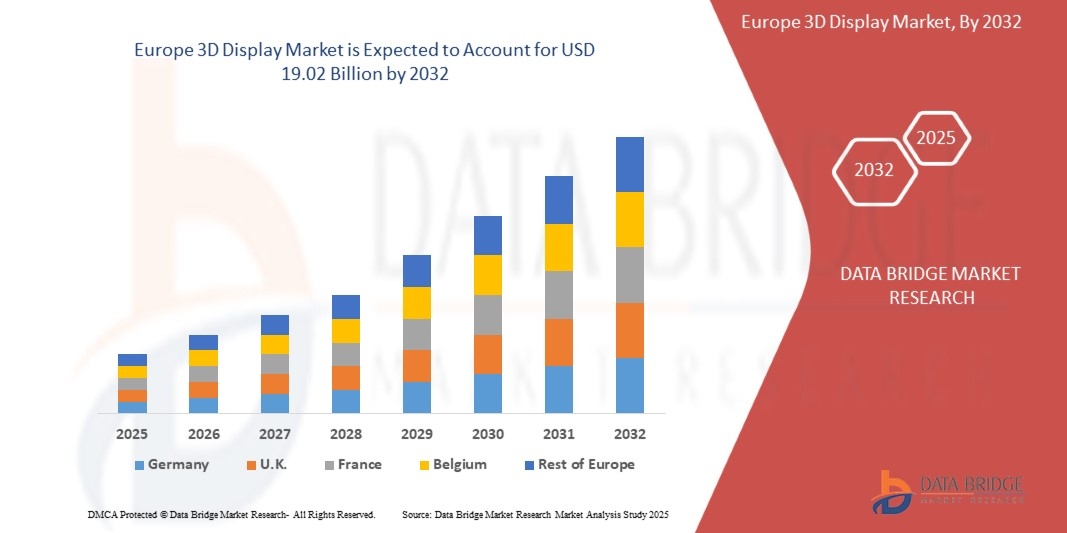
"Regional Overview of Executive Summary Europe 3D Display Market by Size and Share Europe 3D display market is expected to reach USD 19.02 billion by 2032 from USD 10.78 billion in 2024, growing with a substantial CAGR of 7.56% in the forecast period of 2025 to 2032. It is the necessity of this rapidly changing marketplace to adopt such Europe 3D Display Market report that makes you...