Revolutionizing Garment Craft: Hidden Layer Essentials
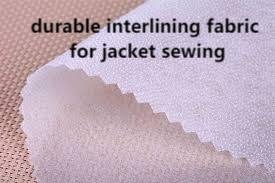
In contemporary fashion production, Interlining serves as the unseen architect that brings structure, resilience, and refined finish to every piece. By tucking this component between the visible fabric and the lining, designers achieve precise tailoring and enhanced wearability without adding bulk. Early adoption in haute couture has now trickled down to ready‑to‑wear collections, where durability and comfort are equally prized.
Structural Support for Enhanced Silhouettes
Tailoring aficionados understand that a garment’s silhouette relies as much on hidden reinforcement as on the outer textile. Strategic placement of supportive layers ensures that collars stand tall, lapels lie flat, and waistbands remain snug. These internal elements absorb tension and preserve the intended shape, allowing garments to look crisp even after multiple wears.
Streamlined Production via Heat‑Bond Technology
Advances in heat‑bond processes have revolutionized assembly lines. Rather than stitching every reinforcement panel, manufacturers now employ heat‑activated adhesives that fuse support layers in a single press. This method cuts sewing time, lowers labor costs, and yields consistent adhesion—resulting in faster turnaround without sacrificing quality.
Balancing Reinforcement with Breathability
Modern consumers demand both form and function. To meet this, material scientists have developed lightweight, breathable substrates that provide strength without restricting airflow. This innovation keeps garments cool and comfortable, even under challenging conditions, making them ideal for activewear and warm‑weather collections.
Adapting to Varied Fabric Weights
The diversity of contemporary textiles—from fine silks to rugged denims—requires equally varied internal solutions. Lightweight weaves call for delicate support materials that maintain drape, while heavier fabrics benefit from sturdier backings to prevent sagging. By matching support properties to fabric characteristics, producers achieve optimal cohesion and performance.
Sustainability in Component Selection
Environmental considerations have driven a shift toward eco‑friendly alternatives. Biodegradable adhesives, recycled fibers, and solvent‑free bonding techniques now feature prominently in production. This eco‑conscious approach reduces waste, curbs energy consumption, and aligns textile manufacturing with global sustainability targets.
As fashion continues its evolution, these concealed layers remain vital to garment excellence—combining aesthetics, functionality, and responsibility in every stitch. To explore detailed insights on types, applications, and innovations, visit
https://www.interlining-factory.com/news/what-is-interlining-types-applications-and-more.html
Kategoriler
Read More
Executive Summary Building Automation Market : Building automation market is expected to gain market growth in the forecast period of 2021 to 2028. Data Bridge Market Research analyses the market to o reach at an estimated value of USD 162,737.5 million by 2028 and grow at a CAGR of 9.00% in the above-mentioned forecast period. This global Building Automation Market research...

Современный ритм жизни часто не оставляет времени на поддержание порядка и чистоты в доме или офисе. Собственно в данные моменты на поддержку приходит клининговая фирма «Клининг Плюс», которая может предложить объемистый спектр услуг по высококлассной уборке в Столице. С нами вы можете не только сэкономить свое время, но и сделать заманчивое и приятное пространство для работы и...
"Executive Summary Phosphate Market Size and Share Across Top Segments Data Bridge Market Research analyses that the phosphate market will witness a CAGR of 2.0% for the forecast period of 2022-2029. Phosphate Market report has reviews about key players in the market, major collaborations, merger and acquisitions along with trending innovation and business policies. This market...
Inflatable Boat Fabric plays a crucial role in the durability and overall performance of watercraft. As boating enthusiasts and manufacturers alike know, the fabric used in inflatable boats must be resilient enough to endure rough waters, UV exposure, and other challenging conditions. This is where Inflatable Boat Fabric comes in. Its unique properties make it a fundamental material for...
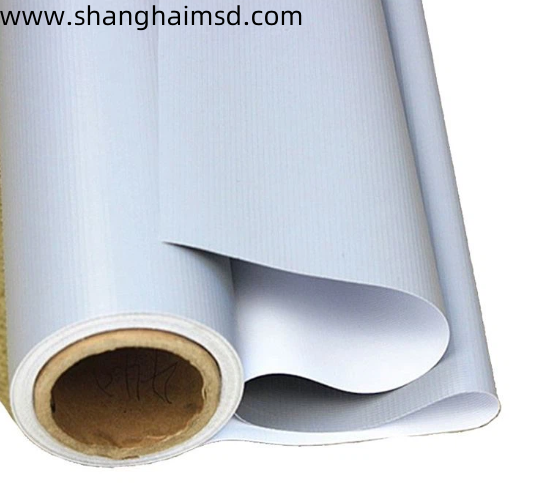
Industrial manufacturing operations must balance production requirements with increasing attention to workplace health considerations and environmental protection measures. The management of a modern Led Tri-proof Lamp Factory involves implementing systems that address potential exposure risks while maintaining manufacturing efficiency and product quality. These facilities must consider...