Sustainable Materials and Advanced Filtration Technologies Shape the Non Woven Filter Cotton Market
The Non Woven Filter Cotton Market serves a broad range of industries that require effective separation of particles from air and liquids. Nonwoven filter cotton is manufactured by bonding or interlocking fibers into a porous material without traditional weaving. Depending on the fiber type, density, thickness, and production process, these materials can be engineered for different filtration efficiencies, airflow characteristics, liquid-handling requirements, and operating environments.
Air filtration is a major application area. Nonwoven filter media are used in heating, ventilation, and air-conditioning systems, industrial dust collection, vehicle cabin filters, and household appliances. Demand for cleaner indoor air and improved industrial air-quality management encourages manufacturers to develop materials that capture particles while maintaining suitable airflow. In liquid filtration, nonwoven media can be incorporated into systems used for water treatment, industrial processing, automotive fluids, and selected healthcare and laboratory applications.
Material selection is central to product performance. Polyester and polypropylene fibers are widely used in synthetic filtration media, while cellulose and other fiber types may be selected for particular cost, absorption, or application requirements. Manufacturers adjust fiber diameter, web structure, thickness, and surface treatments to achieve the required filtration characteristics. The appropriate design depends on particle size, fluid properties, temperature, humidity, pressure conditions, and the expected service life of the filter.
Technological improvements are creating opportunities for more specialized products. Automated web formation, fiber bonding, precision cutting, and quality monitoring can improve production consistency. Multi-layer structures and advanced fiber arrangements can also help manufacturers balance filtration efficiency with pressure drop and durability. For industrial customers, these characteristics may influence energy consumption, maintenance frequency, and the overall operating cost of filtration systems.
Sustainability is becoming an important consideration. Manufacturers and customers are evaluating recycled fibers, recyclable filter constructions, reduced manufacturing waste, and alternative raw materials. However, sustainable designs must still meet technical performance requirements. The feasibility of recycling also depends on the filter's construction and whether the media become contaminated during use.
The market faces challenges such as fluctuations in polymer prices, intense competition, and the need to meet application-specific performance standards. Low-cost products may struggle to deliver consistent efficiency or service life, while highly engineered media can require additional production investment and testing. Manufacturers must therefore balance price competitiveness with product reliability and customer requirements.
Looking ahead, demand is likely to be influenced by industrial filtration needs, indoor air-quality awareness, vehicle production, water treatment, and advances in filtration equipment. Companies that invest in fiber technology, efficient manufacturing, rigorous testing, and sustainable product development may be better positioned to address changing market requirements.
Categorie
Leggi tutto
The Rapid Prototyping Materials Market size is expected to reach US$ 15.61 billion by 2033 from US$ 2.34 billion in 2025. The market is estimated to record a CAGR of 26.77% from 2026 to 2033. The retrieved public source material for this batch did not expose all three headline values required for a verified numerical opening, so no market-size figure or CAGR is inferred. Market growth is best...

According to the latest report published by Data Bridge Market Research, the Polyhydroxyalkanoates (PHA) Market CAGR Value The global polyhydroxyalkanoates (PHA) market size was valued at USD 111.11 million in 2024 and is expected to reach USD 169.23 million by 2032, at a CAGR of 8.7% during the forecast period This growth is driven by factors...
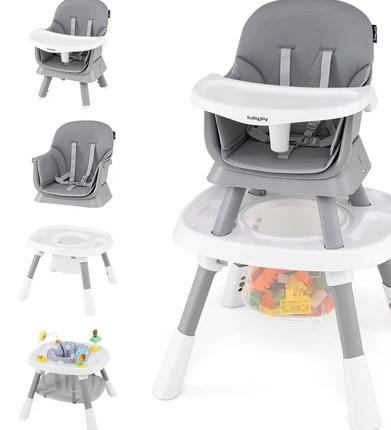
For retailers and distributors building a practical baby furniture range, choosing a Wholesale Baby Chair Supplier can influence product variety, purchasing flexibility, and long-term market planning. A dependable Wholesale Baby Chair Supplier can provide useful chair configurations for different customer groups, helping businesses organize their product lines around feeding, dining, storage,...
The Iron Ore Metals Market is closely connected to the global mining and steel industries, supplying iron-bearing raw materials used in the production of steel and other iron-based products. Iron ore is an essential input for construction materials, transportation equipment, industrial machinery, infrastructure, and numerous manufactured goods. Market conditions are influenced by steel demand,...
A terceira semana do beta de World of Warcraft: Forever trouxe uma das maiores atualizações desde o início dos testes. A Blizzard aumentou o limite de nível de 20 para 30 e liberou uma nova série de conteúdos para os jogadores explorarem. Com a progressão avançando rapidamente, a economia também começa a ganhar mais...