Pulmonary Arterial Hypertension Therapies Support Growth Opportunities in the Ambrisentan Market
The Ambrisentan Market is an important segment of the pharmaceutical industry focused on therapies for pulmonary arterial hypertension (PAH). Ambrisentan is an endothelin receptor antagonist used in the treatment of PAH, a serious condition involving elevated pressure in the pulmonary arteries. The U.S. Food and Drug Administration lists ambrisentan under the brand Letairis and identifies its approved use for WHO Group 1 PAH.
The Ambrisentan Market is influenced by the continuing need for specialized therapies for pulmonary vascular diseases. According to current FDA labeling, ambrisentan is indicated for adults with WHO Group 1 PAH to improve exercise ability and delay clinical worsening. It is also indicated in combination with tadalafil for reducing risks associated with disease progression and hospitalization for worsening PAH.
The drug works within the endothelin pathway. Endothelin receptor antagonists form one category of therapies used in PAH management, and ambrisentan's pharmacological profile has made it an established treatment option. The FDA records the initial U.S. approval of Letairis in 2007, demonstrating the drug's longstanding position within the PAH treatment landscape.
Combination treatment is an important development area. PAH management can involve multiple therapeutic approaches, and current U.S. labeling specifically includes the use of ambrisentan in combination with tadalafil. This creates opportunities for pharmaceutical companies developing treatment strategies that address disease progression and functional outcomes through complementary mechanisms.
Generic competition is another factor influencing the market. Ambrisentan is no longer limited to the original branded product, and the FDA's current endothelin-receptor-antagonist information references Letairis and generic ambrisentan products. The expansion of generic availability can influence pricing, accessibility, manufacturing strategies, and competitive dynamics.
Regulatory requirements remain particularly important because ambrisentan has significant safety considerations. Current FDA labeling includes a boxed warning concerning embryo-fetal toxicity and contraindicates use during pregnancy. The FDA also notes that REMS requirements related to embryo-fetal toxicity for endothelin receptor antagonists were eliminated in April 2025, while labeling continues to communicate the relevant risk.
Clinical research and pharmaceutical development can create additional opportunities. Researchers continue to investigate PAH treatment strategies, combination therapies, disease progression, and approaches that improve long-term patient management. Such developments can influence demand for established endothelin-pathway therapies.
Manufacturing quality is also important. Pharmaceutical producers must maintain appropriate purity, formulation consistency, regulatory compliance, and supply reliability. The availability of multiple suppliers can strengthen market competition while creating greater emphasis on quality assurance and cost-efficient production.
Regional market development depends on diagnosis rates, healthcare infrastructure, regulatory approvals, reimbursement policies, and access to specialized pulmonary hypertension treatment. North America and Europe have established PAH treatment markets, while emerging healthcare systems in Asia-Pacific and other regions can create additional opportunities as diagnosis and specialist care expand.
Overall, the Ambrisentan Market is closely linked to the global management of pulmonary arterial hypertension. Established clinical use, combination treatment, generic availability, regulatory developments, and continuing research into PAH therapies are expected to influence the market's future development.
Catégories
Lire la suite
Wire and cable compounds help maintain the integrity of wires and cables by protecting conductive components from external stresses. Their formulations can provide resistance to environmental, mechanical, and thermal conditions while maintaining flexibility. This supports dependable cable performance in automotive, construction, energy, and industrial applications. The Wire & Cable...

Мир технологий стал доступнее, ведь нейросети онлайн на русском языке позволяют решать любые задачи. Наш каталог нейросетей на русском включает такие функции, как генерация видео и картинок, чат GPT, обработка фото, перевод по фото и оживление снимков. Всё работает в браузере, без VPN. Если вам нужен чат gpt бесплатный или мощный генератор текста, вы попали по адресу. Мы подскажем, как...
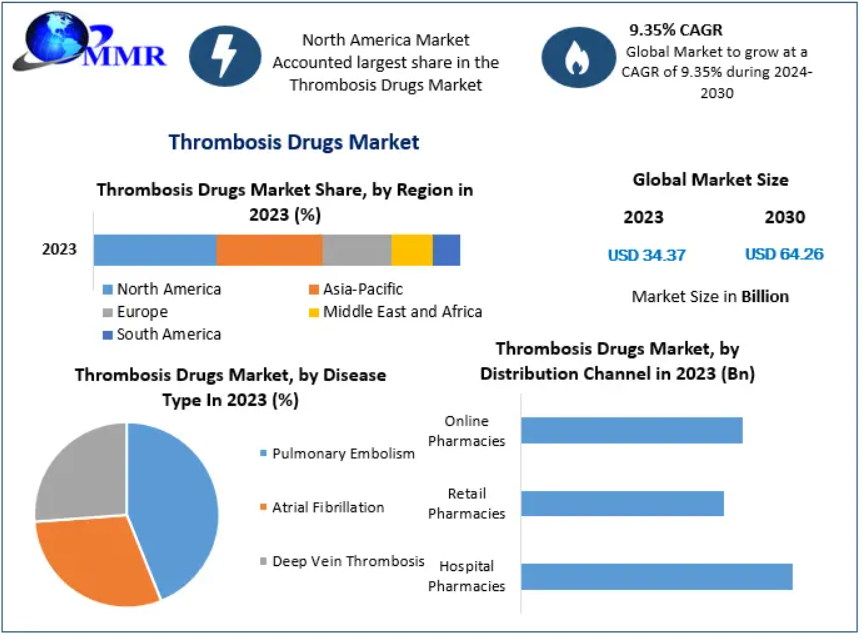
Thrombosis Drugs Market Overview The Thrombosis Drugs Market report provides an in-depth analysis that is required to make informed industry decisions and develop strategic growth plans. Regardless of the production method or cost structures, the Thrombosis Drugs market report provides a full understanding of advanced tactics and plans. Thrombosis...
According to the latest report published by Data Bridge Market Research, the Electric Three Wheelers Market CAGR Value As per Data Bridge Market Research analysis, the Electric Three Wheelers market was valued at USD 3.42 billion in 2025 and is projected to reach USD 7.85 billion by 2033, growing at a CAGR of 10.90% from 2026 to 2033. The market is experiencing consistent growth...
The Intruder Alarm System Market is entering a phase characterized by substantial investment opportunities, with a projected market size of $8,413.13 million by 2035. This growth, driven by a CAGR of 9.7%, indicates a fertile ground for investors looking to capitalize on the increasing demand for advanced security solutions. With rising concerns over personal and property security, businesses...