
Electrolysis hair removal: The Science of Permanent Clearance
For decades, the aesthetic industry has sought the ultimate solution for unwanted hair, but few methods have stood the test of time and rigorous medical scrutiny. Electrolysis hair removal remains the definitive answer for those seeking total, permanent clearance of hair follicles. While light-based reduction methods offer speed, they often lack the finality that a focused, electrical approach provides. By understanding the biological science behind this procedure, patients can make informed decisions about their journey toward smooth, maintenance-free skin.
What is Electrolysis hair removal?
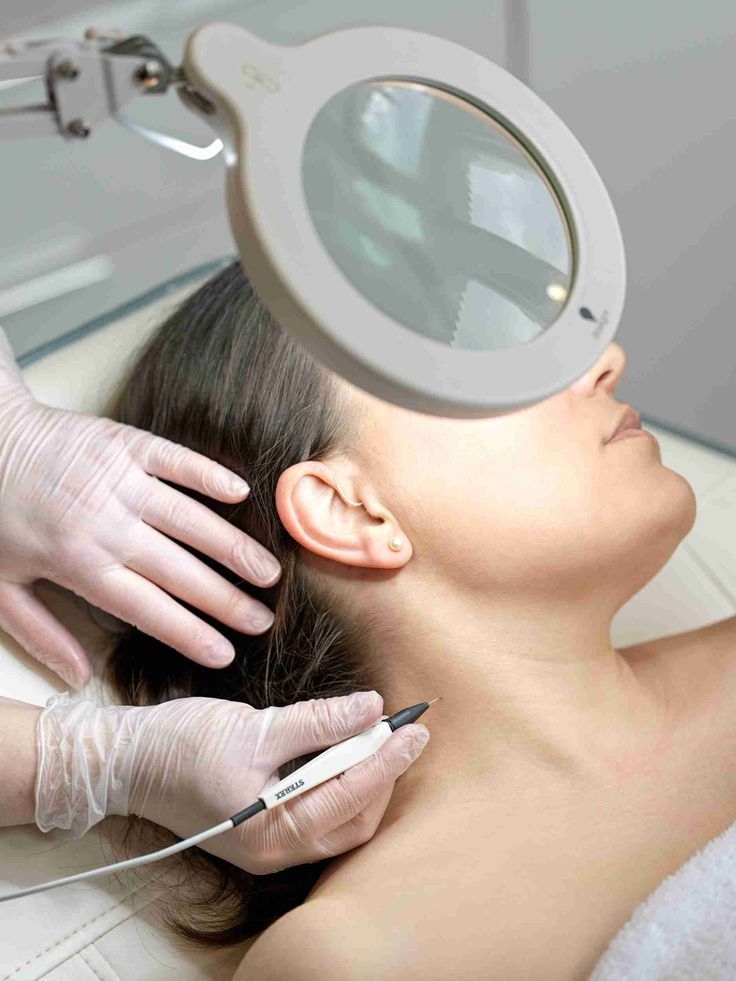
To define this method in clinical terms, it is a procedure that involves the destruction of the hair-growth tissues using a specialized electrical current. A trained practitioner inserts a microscopic, sterile probe into the natural opening of each hair follicle. Unlike invasive surgeries, this process follows the existing anatomy of the skin to reach the germinative cells responsible for hair production.
In our clinical experience, this method is unrivaled because it addresses the hair at its source without relying on the presence of pigment. This means it is a truly universal treatment, effective for every individual regardless of their hair color or skin tone. It is a precise, patient-focused medical service that ensures each follicle is neutralized individually for a lifetime of smoothness.
The Mechanism of Permanent Destruction
The biological "magic" of this treatment lies in the localized delivery of energy to the dermal papilla. The papilla is the vascular structure at the base of the hair follicle that provides the nutrients necessary for hair growth. During electrolysis hair removal, the energy pulse—whether thermal, chemical, or a combination—cauterizes these delicate structures.
What patients typically report during recovery is that the treated hairs eventually stop emerging, as the follicle has been effectively "deactivated." By destroying the regenerative cells located in the follicle's bulge and bulb, the treatment ensures that the biological cycle of hair production is permanently terminated. Once these cells are gone, the body cannot grow another hair in that specific pore.
The Purpose and Clinical Intent of Treatment
The primary purpose of this procedure is to provide a permanent exit from the cycle of temporary hair removal. Many patients turn to this method to treat sensitive areas where laser is not recommended, or to address "refractory" hairs that have survived other treatments. It serves as a corrective medical procedure for those dealing with hormonal imbalances or hereditary hair growth patterns.
Furthermore, it is used to improve overall skin health. Constant mechanical trauma from shaving or chemicals from depilatory creams can cause chronic inflammation. By choosing a permanent solution, you are protecting the skin’s moisture barrier and preventing the development of scars and dark spots associated with long-term grooming irritation.
Key Benefits of a Targeted Approach
The benefits of a probe-based system are numerous, particularly for those who value precision and safety. Because the energy is confined to the interior of the follicle, the surrounding epidermis is spared from the heat or chemical exposure used in broader-spectrum treatments.
-
100% Efficacy: Guaranteed results on white, blonde, and ginger hair.
-
Safety for All Melanin Levels: No risk of burns or hyperpigmentation on dark skin tones.
-
Precision Refinement: The only way to safely shape eyebrows or remove individual stray hairs.
-
Medically Recognized: The only treatment with an FDA-cleared claim for "permanent hair removal."
Ideal Candidates for Permanent Clearance
The ideal candidate is anyone who desires a permanent end to hair growth. However, it is especially beneficial for individuals with PCOS-related facial hair, those seeking gender-affirming treatments, or athletes who require smooth skin for performance and hygiene. If you have fine, light hair that hasn't responded to laser, you are a prime candidate for the success this method offers.
The Step-by-Step Procedure Guide
A professional session is conducted with surgical-level attention to detail.
-
Cleansing: The skin is treated with a medical antiseptic.
-
Insertion: The electrologist uses a sterile, single-use probe to enter the follicle.
-
Activation: The device delivers a controlled pulse of energy (galvanic, thermolysis, or blend).
-
Extraction: The hair is lifted out gently; it should slide out without the tension of plucking.
-
Sanitization: A post-treatment calming agent is applied to soothe the skin and close the pores.
Target Areas for Clinical Treatment
| Treatment Zone | Clinical Focus | Typical Duration |
| Facial Contours | Chin, jawline, and upper lip | 15–45 Minutes |
| Eye Area | Between brows and eyebrow arch | 10–20 Minutes |
| Upper Body | Breasts, abdomen, and underarms | 30–60 Minutes |
| Extremities | Fingers, toes, and bikini line | 15–30 Minutes |
Cost Considerations and Long-Term Value
While we do not quote specific prices, the cost of treatment is a reflection of the time and expertise required. Because each hair is treated individually, the initial phase may require more frequent visits. However, as the number of active follicles decreases, the sessions become shorter and further apart. In the long run, this is often more economical than the cumulative cost of lifetime waxing or shaving products.
The Healing and Recovery Timeline
Understanding the recovery timeline helps set realistic expectations for the healing process. Because the treatment is localized, the body’s healing response is generally quick and efficient.
-
Immediately After: Slight redness (erythema) and a warm sensation in the treated area.
-
First 24 Hours: Sensitivity reduces; skin begins its natural repair cycle.
-
48 to 72 Hours: Most visible signs of treatment disappear; skin returns to normal.
-
Weeks 4–8: The next set of hairs in the growth cycle may appear, indicating the time for the next session.
Safety and Side Effects Checklist
Safety is the cornerstone of professional practice. Temporary side effects like redness or small, temporary bumps are normal and indicate that the follicle has been treated. To ensure maximum safety, we use only high-quality, single-use probes and maintain a clean clinical environment. It is essential to choose a certified professional to minimize any risk of skin damage or ineffective treatment.
Maintenance and Post-Care for Best Results
To maintain your results and protect your skin, aftercare is critical. Avoid applying makeup or scented lotions to the area for at least 24 hours. Protect the skin from the sun using a broad-spectrum SPF, and never pick or scratch the treated area. Most importantly, do not pluck or wax between sessions; shaving is the only acceptable way to manage growth between appointments without disrupting the follicles.
Conclusion
Choosing a permanent solution for hair removal is a commitment to your future convenience and self-image. While it requires a series of sessions to achieve total clearance, the results are life-changing. At Tajmeels Clinic, we combine the science of hair destruction with an empathetic, professional approach to ensure your comfort and satisfaction. Our goal is to help you reach a state of permanent smoothness through a medically sound and carefully executed treatment plan. Let our expertise guide you toward the total confidence that comes with permanently clear skin.

 English
 Arabic
 French
 Spanish
 Portuguese
 Turkish
 Dutch
Dutch
 Italiano
 Russian
 Romaian
 Portuguese (Brazil)
 Greek
Greek