PRP Hair Treatment in Dubai for Women with Hormonal Hair Loss
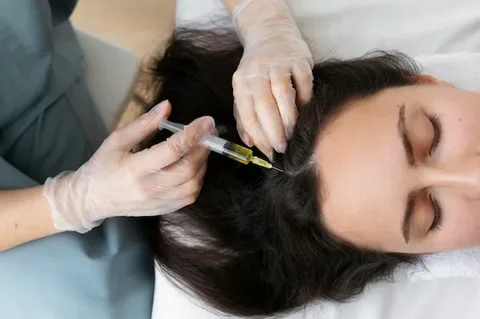
Female hair loss often differs significantly from male pattern baldness, with hormonal factors playing a central role. PRP hair treatment in Dubai offers women a targeted approach to addressing hormonally-driven hair thinning, working with the body's natural healing processes to support follicular health and stimulate regrowth.
This guide explores how hormonal changes affect women's hair and how PRP therapy can help.
Understanding Hormonal Hair Loss in Women
How Hormones Affect Hair Health
Women's hair responds to hormonal fluctuations throughout life. Key hormones influencing hair include:
| Hormone | Effect on Hair |
|---|---|
| Estrogen | Prolongs growth phase; promotes thickness |
| Progesterone | Supports hair follicle health |
| Testosterone | Can contribute to thinning when elevated |
| DHT | Causes follicular miniaturization |
| Thyroid hormones | Regulate growth cycles |
| Cortisol | Elevated levels trigger shedding |
Common Causes of Hormonal Hair Loss in Women
Multiple hormonal triggers exist:
- Pregnancy and postpartum changes
- Menopause and perimenopause
- Polycystic ovary syndrome (PCOS)
- Thyroid disorders
- Birth control changes
- Chronic stress
Female Pattern Hair Loss: Different from Men
Characteristics of Female Thinning
Women typically experience:
- Diffuse thinning: Generalized reduction in density
- Preserved hairline: Frontal hairline often maintained
- Part widening: Christmas tree pattern from front to back
- Maintained crown: Different from male vertex baldness
In our clinical experience, women often notice thinning later than men due to these different patterns, sometimes delaying treatment unnecessarily.
How PRP Hair Treatment in Dubai Addresses Female Hair Loss
Mechanisms Benefiting Women
PRP therapy offers particular advantages for women:
Addressing Diffuse Thinning
The scalp-wide application benefits women's generalized hair loss patterns, delivering growth factors throughout the treatment area.
Supporting Hormonal Recovery
For temporary hormonal disruptions (postpartum, stress), PRP can accelerate recovery of normal hair cycling.
Complementing Hormonal Management
When combined with appropriate medical management of underlying hormonal conditions, PRP enhances overall outcomes.
PRP Hair Treatment in Dubai for Specific Female Conditions
Post-Pregnancy Hair Loss
Pregnancy hormones extend the hair growth phase, creating fuller hair during pregnancy. Postpartum hormone drops trigger synchronized shedding.
How PRP Helps:
- Stimulates follicles exiting resting phase
- Supports transition back to normal cycling
- Reduces shedding duration
- Enhances regrowth speed
What patients typically report during recovery from postpartum shedding includes faster return to pre-pregnancy density with PRP support.
Menopausal Hair Changes
Declining estrogen allows androgen effects to predominate, causing gradual thinning.
PRP Benefits:
- Counteracts follicular miniaturization
- Provides growth factor support
- Maintains hair quality
- Complements hormone therapy if used
PCOS-Related Hair Loss
Elevated androgens cause male-pattern thinning in women with PCOS.
Treatment Approach:
- PRP addresses follicular health
- Medical management of PCOS concurrent
- Comprehensive approach recommended
- Regular maintenance important
The Female PRP Treatment Experience
What Women Can Expect
The procedure is similar for both sexes, with some considerations:
Scheduling Around Cycles
Some women prefer avoiding treatment during menstruation when scalp sensitivity may increase.
Hair Length Considerations
Longer hair doesn't impede treatment; practitioners work around existing hair.
Makeup and Styling
Face makeup can be worn; hair styling resumes 24-48 hours post-treatment.
Treatment Protocol for Women
| Phase | Frequency | Purpose |
|---|---|---|
| Induction | Monthly x 3-4 | Establish response |
| Consolidation | Every 6-8 weeks x 3 | Build on initial gains |
| Maintenance | Every 3-6 months | Preserve results |
PRP Hair Treatment in Dubai: Complementary Approaches for Women
Medical Options
Depending on underlying causes, women may benefit from:
- Spironolactone: Anti-androgen medication
- Minoxidil: FDA-approved for female pattern hair loss
- Hormone replacement: When appropriate for menopause
- Thyroid management: If thyroid imbalance exists
Nutritional Support
Women have specific nutritional needs affecting hair:
- Iron: Particularly important for menstruating women
- Ferritin levels: Even low-normal may affect hair
- Vitamin D: Commonly deficient
- B vitamins: Support energy and growth
- Protein: Essential building block
Lifestyle Modifications
Supporting treatment through lifestyle:
- Stress management practices
- Adequate sleep prioritization
- Gentle hair care routines
- Avoiding excessive heat styling
- Protective hairstyles that reduce tension
Addressing Emotional Impact
The Psychological Dimension
Hair loss affects women differently than men:
- Social expectations around female appearance
- Connection between hair and femininity
- Impact on professional and personal confidence
- Emotional processing of changes
Building a Support System
Comprehensive care addresses these aspects:
- Open communication with treatment providers
- Realistic expectation setting
- Celebrating progress, however gradual
- Support resources when needed
Results Women Typically See
Progression Timeline
| Timeframe | Expected Changes |
|---|---|
| Month 1-2 | Reduced shedding |
| Month 3-4 | Texture improvements |
| Month 4-6 | Visible density increase |
| Month 6-12 | Optimal results development |
Factors Affecting Female Outcomes
Individual results depend on:
- Underlying hormonal status
- Duration of hair loss
- Overall health status
- Nutritional adequacy
- Treatment compliance
- Concurrent therapies
PRP Hair Treatment in Dubai: Candidacy Evaluation for Women
Ideal Female Candidates
Women most likely to benefit include those with:
- Diffuse thinning patterns
- Recent-onset hair loss
- Identifiable hormonal triggers
- Commitment to treatment protocol
- Realistic expectations
Evaluation Components
Thorough assessment includes:
- Comprehensive health history
- Hormonal status evaluation
- Nutritional assessment
- Scalp examination
- Hair density measurement
- Goal discussion
When PRP May Not Be Sufficient
Limitations for Women
Honesty about limitations is essential:
- Severe long-standing alopecia
- Scarring conditions
- Certain autoimmune disorders
- Unrealistic density expectations
Alternative Considerations
When PRP alone is insufficient:
- Combination approaches
- Medical therapy intensification
- Camouflage techniques
- Hair extension options
- Transplantation consideration
Conclusion: Embracing Solutions for Hormonal Hair Loss
Hormonal hair loss in women deserves targeted, understanding care that addresses both the physical and emotional dimensions of this experience. PRP therapy offers women a scientifically-supported option that works with their body's natural processes.
Your concerns about hair loss are completely valid, and seeking effective solutions shows self-care and proactivity. At Tajmeels Clinic, specialists understand the unique aspects of female hair loss and provide personalized approaches.
Consider scheduling a consultation to discuss how PRP therapy might fit into your hair restoration journey.
Categorie
Leggi tutto
Introduction The oilseeds market is a cornerstone of the global agricultural and food processing industry, serving as the foundation for vegetable oils, protein meals, and a host of value-added products. Oilseeds, which include soybeans, sunflower seeds, canola, groundnuts, cottonseeds, and others, are essential for both human nutrition and industrial applications. They provide...

Executive Summary Collapsible Rigid Containers Market Research: Share and Size Intelligence Collapsible rigid containers market is expected to gain market growth in the forecast period of 2022 to 2029. Data Bridge Market Research analyses the market to grow at a CAGR of 4.95% in the above-mentioned forecast period. This Collapsible Rigid Containers Market research report...
In a gaming era saturated with reboots, soft rebrands, and hard resets, POE2 Currency (POE2) stands as a striking anomaly. It doesn’t seek to wipe the slate clean or reinvent the core mechanics that defined its predecessor. Instead, Grinding Gear Games (GGG) is taking an audacious and nuanced approach: refinement over revolution, continuity over replacement. While many studios view...

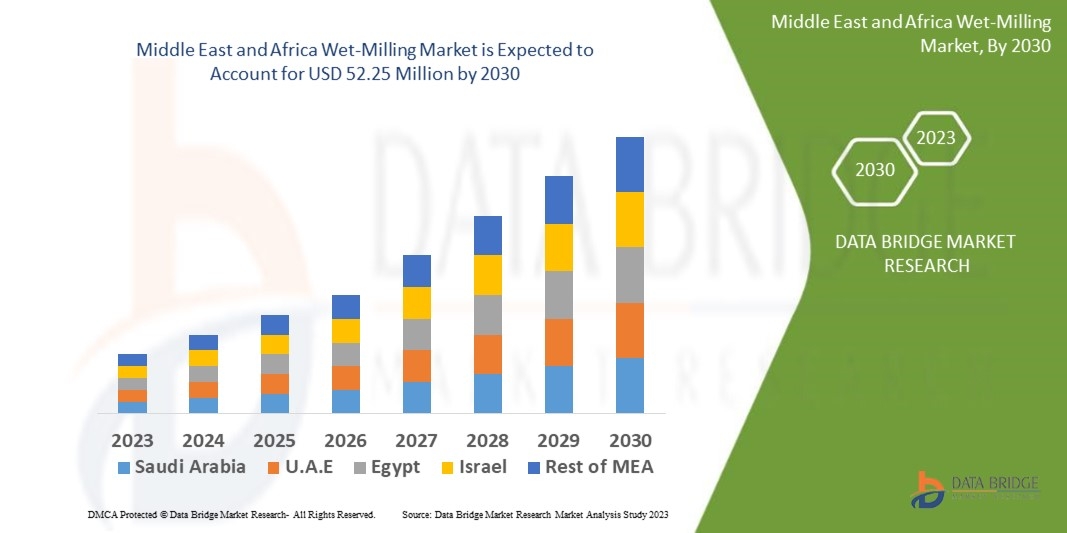
"Executive Summary Middle East and Africa Wet-Milling Market Size and Share Forecast CAGR Value Data Bridge Market Research analyses that the Middle East and Africa wet-milling market which was USD 45.53 million in 2022, would rocket up to USD 52.25 million by 2030, and is expected to undergo a CAGR of 1.7% during the forecast period. The Middle East and Africa Wet-Milling Market...