
Hair Transplant in Dubai: Addressing the "Shock Loss" Phenomenon
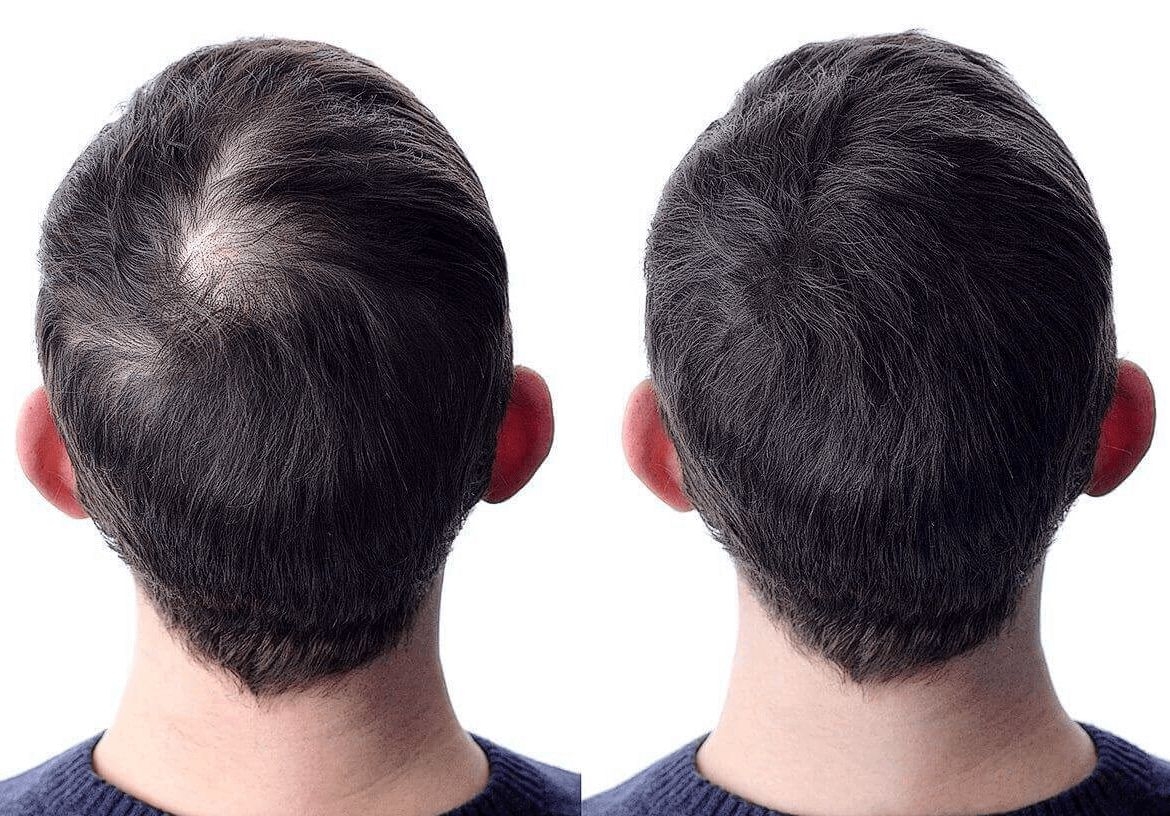
One of the most common clinical concerns for patients undergoing hair restoration is the temporary thinning of existing hair shortly after the procedure. Known medically as "telogen effluvium" and colloquially as "shock loss," this physiological event is a natural, albeit stressful, part of the scalp's healing response. For those seeking a Hair Transplant in Dubai, understanding the biological mechanism behind shock loss—and how modern clinical techniques minimize its impact—is essential for maintaining a calm and informed recovery journey.
Defining Shock Loss in Hair Transplant in Dubai
In a clinical context, shock loss is the temporary shedding of native (non-transplanted) hair or newly transplanted grafts due to the trauma of surgery. In our clinical experience, this occurs when the scalp's micro-environment undergoes significant change, such as the administration of local anesthesia, the creation of recipient sites, or the physical "crowding" of new follicles. During a Hair Transplant in Dubai, the goal is to minimize this trauma to ensure the transition from thinning to thickening is as seamless as possible.
It is important to distinguish between "temporary" and "permanent" shock loss. Temporary shock loss is a resting phase; the follicles are alive but dormant. Permanent shock loss only occurs if a native hair was already at the very end of its life cycle (miniaturized) and was physically damaged by a new incision. At a premium clinic, surgeons use high-magnification loupes to navigate between existing hairs, significantly reducing the risk of permanent follicle damage.
The Physiological Mechanism of the Resting Phase
The primary mechanism of shock loss is a disruption of the hair's growth cycle. Hair follicles move through three phases: Anagen (growth), Catagen (transition), and Telogen (resting). The physical "insult" of surgery—such as a change in local blood flow or the body's inflammatory response—can prematurely push active follicles into the Telogen phase. This results in the hair shaft falling out roughly three to six weeks after a Hair Transplant in Dubai.
What patients typically report during recovery is a "thinning" sensation around the second month. Physiologically, this is actually a sign that the scalp is redirecting its energy toward healing the skin and anchoring the new hair bulbs. Once the "shock" to the system subsides and neovascularization (new blood vessel growth) is complete, these dormant follicles re-enter the Anagen phase and begin producing new, often stronger, hair shafts.
The Purpose of Preventative Clinical Measures
The objective of a modern surgical plan is to protect the "at-risk" native hair. In our clinical experience, the purpose of a Hair Transplant in Dubai is to add to the total hair mass, not to replace one hair with another. To achieve this, clinicians often utilize "bio-stimulants" like PRP (Platelet-Rich Plasma) or specialized growth factor serums during the procedure.
Clinically, these adjunct therapies serve the purpose of "follicular fortification." By bathing the scalp in concentrated healing proteins, we reduce the intensity of the inflammatory "shock." This helps keep more native hairs in the growth phase and accelerates the "wake-up" time for transplanted grafts. Furthermore, the use of ultra-fine Sapphire blades creates smaller, cleaner incisions, which significantly reduces the mechanical trauma to the surrounding native tissue.
Key Benefits of Minimizing Surgical Trauma
-
Consistent Aesthetic Density: Avoiding massive shedding ensures the patient doesn't look "thinner" before they look "thicker."
-
Faster Visual Recovery: Minimal shock loss allows the final results to blend more quickly with existing hair.
-
Preservation of Native Hair: Protecting the hair you already have maximizes the total volumetric result.
-
Reduced Patient Anxiety: Understanding that shedding is a biological "reset" rather than a failure of the surgery leads to a better psychological recovery.
Who is Most Susceptible to Shock Loss?
| Patient Category | Clinical Risk Level |
| Diffuse Thinning | High risk, as many hairs are already in a weakened "miniaturized" state. |
| Female Patients | Moderate risk, due to the often diffuse nature of female pattern hair loss. |
| Crown Restorations | Higher risk due to the specific blood flow patterns in the vertex. |
| First-Time Procedures | Standard risk; usually follows a predictable 3-month cycle. |
In our clinical experience, we find that patients who follow a pre-operative regimen of hair-strengthening nutrients often experience less shedding. Strengthening the "anchor" of the native hair before the Hair Transplant in Dubai makes the follicles more resilient to the temporary changes in scalp pressure and blood flow.
The Step-by-Step Clinical Protection Protocol
-
Micro-Mapping: Identifying exactly where native hairs are located to avoid "transecting" them during site creation.
-
Tumescence Management: Using a precise volume of numbing fluid to avoid excessive pressure on the scalp’s micro-capillaries.
-
Sapphire Precision: Utilizing gemstone blades for incisions, which cause less "lateral heat" and tissue damage than steel.
-
Bio-Priming: Injecting growth factors into the recipient zone to support both new and old follicles.
-
Post-Op Cooling: Using specialized cooling packs to reduce inflammation immediately following the surgery.
Targeting the "Transition Zone" Safely
The "transition zone"—where the bald area meets the existing hair—is the most sensitive part of a Hair Transplant in Dubai. If a surgeon is too aggressive in "packing" grafts into this zone, the native hair may shed. An expert clinician uses a "staggered" implantation technique, ensuring that new grafts are placed with enough biological "breathing room" to allow the existing hair to remain healthy.
For the crown (vertex), the risk of shock loss is managed by following the natural "whorl" or spiral of the hair. Placing grafts against the natural grain of existing hair creates unnecessary tension in the dermis. By mimicking the biological flow, the surgeon minimizes the stress on the scalp, ensuring that the existing hair and the new grafts can coexist harmoniously.
Factors Influencing the Duration of Shedding
The duration of the shock loss phase is tied to the patient's "metabolic recovery." In our clinical experience, smokers or individuals with poor circulation may experience a longer Telogen phase. Conversely, a Hair Transplant in Dubai performed in a high-end clinic often includes a 12-month follow-up plan with Low-Level Laser Therapy (LLLT), which uses light energy to "re-start" the cellular mitochondria in the hair bulb.
Another factor is the use of "chilled" storage for the grafts. If the transplanted follicles are kept at a constant, cool temperature before implantation, they retain more of their ATP (cellular energy). This allows them to anchor faster and reduces the "stress signals" they send to the surrounding native tissue, effectively lowering the overall "shock" to the scalp.
Timeline of the Shedding and Regrowth Phase
-
Weeks 2–6: The "Shedding Window." Hair shafts (both new and some native) may begin to fall out.
-
Month 3: The "Dormancy Phase." The scalp looks relatively unchanged; the follicles are resting.
-
Month 4: The "Sprouting Phase." The first fine, "baby" hairs appear from both transplanted and recovered native follicles.
-
Month 6: The "Integration Phase." The new hair begins to gain diameter and length, providing visible coverage.
-
Month 12: The "Full Maturation." Any shock loss has fully recovered, and the total density is achieved.
Safety Standards and Permanent Loss Prevention
Safety during a Hair Transplant in Dubai involves a strict "zero-damage" policy toward healthy follicles. While temporary shock loss is a biological reality, permanent loss is preventable. This is achieved by never placing grafts too deep and by using specialized tools that do not generate heat. A medically responsible clinic will prioritize the long-term health of your native hair as much as the success of the new grafts.
Post-operative safety involves avoiding "vasoconstrictors" like nicotine or excessive caffeine in the first week. These substances narrow the blood vessels, making it harder for the scalp to recover from the "shock" of surgery. We provide a specialized "Recovery Serum" that calms the skin and provides the follicles with the antioxidants they need to stay in the growth phase.
Maintaining Your Scalp's Resilience
Once the initial recovery is over, maintaining the health of the scalp environment is key. In our clinical experience, a diet high in Omega-3 fatty acids and antioxidants helps the scalp recover its natural balance. By protecting the "soil" of the scalp, you ensure that any hair that did enter a resting phase returns thicker and more vibrant than before.
At Tajmeels Clinic, we understand that shock loss can be the most emotionally challenging part of the hair restoration journey. We are committed to providing the medical expertise and bio-technological support necessary to minimize this phase. Our goal is to ensure that your Hair Transplant in Dubai is a smooth, predictable, and life-changing experience. Your confidence is our priority, and we are here to support every follicle on your head.
Conclusion
Shock loss is a temporary detour on the road to permanent hair restoration. By understanding the science of the hair cycle and utilizing the latest protective technologies, we can manage this phase with ease. At Tajmeels Clinic, we combine surgical precision with regenerative medicine to protect your hair and ensure a successful outcome. Reclaiming your hair is a journey of patience, and the results are worth every step.

 Arabic
 French
 Spanish
 Portuguese
 Deutsch
 Turkish
 Dutch
Dutch
 Italiano
 Russian
 Romaian
 Portuguese (Brazil)
 Greek
Greek