
How Often Should You Get Chemical Peels in Islamabad?
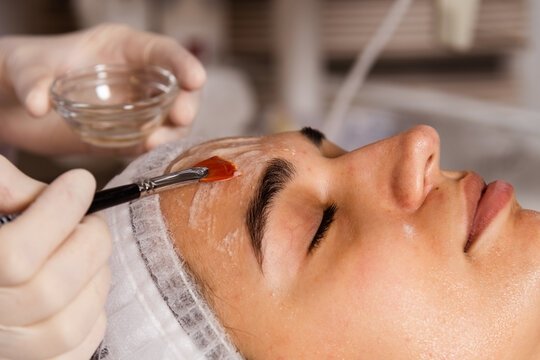
When it comes to achieving smooth, radiant, and youthful skin, Chemical Peels in Islamabad have become one of the most effective and widely recommended treatments. These advanced skincare procedures help exfoliate dead skin cells, improve texture, reduce pigmentation, and promote collagen production. However, one of the most common questions people ask is: how often should you get chemical peels to maintain optimal results without harming your skin? The answer depends on several factors, including your skin type, the type of peel used, and your specific skincare goals.
Understanding Chemical Peels and Their Frequency
Chemical peels are categorized into three main types: superficial, medium, and deep peels. Each type works at a different depth of the skin and therefore requires a different treatment frequency. Understanding these differences is essential to determine how often you should undergo the procedure.
Superficial peels are mild and target only the outermost layer of the skin. They are often used for maintenance and gentle exfoliation. Medium peels penetrate deeper into the skin to address more noticeable concerns like pigmentation and fine lines. Deep peels, on the other hand, offer dramatic results but require longer recovery periods and are usually performed only once.
Frequency Based on Type of Peel
Superficial Peels
Superficial peels are the most commonly used type due to their minimal downtime and gentle nature. These peels often include glycolic acid, lactic acid, or mild salicylic acid solutions.
-
Recommended Frequency: Every 2 to 4 weeks
-
Best For: Dull skin, mild acne, uneven tone
-
Recovery Time: Little to no downtime
Because they are gentle, superficial peels can be part of a regular skincare routine. Consistent sessions help maintain a healthy glow and prevent buildup of dead skin cells.
Medium Peels
Medium-depth peels, such as trichloroacetic acid (TCA) peels, provide more noticeable results by targeting deeper layers of the skin.
-
Recommended Frequency: Every 3 to 6 months
-
Best For: Acne scars, wrinkles, sun damage
-
Recovery Time: Around 5 to 7 days
These peels require more time for the skin to heal, so spacing them out is crucial. Overdoing medium peels can lead to irritation or sensitivity.
Deep Peels
Deep chemical peels are powerful treatments that penetrate several layers of the skin. They are typically performed under strict medical supervision.
-
Recommended Frequency: Once in a lifetime or after several years
-
Best For: Deep wrinkles, severe pigmentation, advanced aging
-
Recovery Time: 2 to 3 weeks or longer
Due to their intensity, deep peels are not part of a regular skincare schedule and are reserved for significant skin concerns.
Factors That Affect Peel Frequency
Skin Type
Your skin type plays a major role in determining how often you should get chemical peels.
-
Oily Skin: Can tolerate more frequent peels, especially for acne control
-
Dry or Sensitive Skin: Requires longer gaps between treatments
-
Combination Skin: May need customized treatment plans
Skin Concerns
Different skin concerns require different approaches. For example:
-
Acne-prone skin may benefit from regular superficial or salicylic acid peels
-
Pigmentation issues may require medium peels at controlled intervals
-
Aging concerns may involve a combination of treatments
Professional Recommendation
It is always best to consult a qualified skincare professional before starting chemical peel treatments. They can assess your skin condition and recommend a schedule that ensures safety and effectiveness.
Signs You May Need a Chemical Peel
Understanding when your skin needs a peel is just as important as knowing how often to get one. Some common signs include:
-
Dull or tired-looking skin
-
Uneven skin tone or texture
-
Frequent breakouts or clogged pores
-
Appearance of fine lines and wrinkles
-
Sun damage or dark spots
If you notice these issues, a chemical peel may help restore your skin’s natural glow and smoothness.
Risks of Overdoing Chemical Peels
While chemical peels offer numerous benefits, excessive treatments can harm your skin. Over-exfoliation may lead to:
-
Increased sensitivity
-
Redness and irritation
-
Dryness and peeling
-
Damage to the skin barrier
Following the recommended frequency and professional advice helps prevent these complications and ensures safe results.
How to Maintain Results Between Peels
To maximize the benefits of chemical peels, it is important to maintain a proper skincare routine between sessions.
-
Use gentle cleansers and moisturizers
-
Apply sunscreen daily to protect sensitive skin
-
Avoid harsh exfoliants or active ingredients immediately after a peel
-
Stay hydrated and maintain a healthy lifestyle
These steps help prolong the results and keep your skin looking fresh and healthy.
Customizing Your Treatment Plan
There is no one-size-fits-all answer to how often you should get chemical peels. Each individual’s skin is unique and requires a tailored approach. A customized treatment plan ensures that your skin receives the right level of care without unnecessary risks.
Professionals may combine different types of peels or adjust their frequency based on how your skin responds. Regular follow-ups allow adjustments to be made for optimal results.
FAQs About Chemical Peels in Islamabad
Q1: Can I get a chemical peel every month?
A: Yes, superficial peels can be done monthly, but medium and deep peels require longer intervals.
Q2: How do I know which peel is right for me?
A: A professional consultation is the best way to determine the right peel based on your skin type and concerns.
Q3: Is it safe to combine chemical peels with other treatments?
A: Yes, but only under professional guidance to avoid skin irritation or damage.
Q4: Will frequent peels make my skin thinner?
A: No, when done correctly, chemical peels promote collagen production and improve skin thickness over time.
Q5: What should I avoid after a chemical peel?
A: Avoid sun exposure, harsh products, and picking at peeling skin to prevent damage.
Q6: Are chemical peels painful?
A: Most peels cause mild tingling or discomfort, but it is generally tolerable and temporary.
Q7: How long do results last?
A: Results vary depending on the type of peel and skincare routine, but regular maintenance can prolong the effects.
Conclusion
The frequency of chemical peels depends on various factors, including the type of peel, your skin condition, and your desired results. Superficial peels can be done regularly for maintenance, while medium and deep peels require more time between sessions. Understanding your skin’s needs and following professional advice is essential for achieving safe and effective outcomes.
For those looking for expert care and personalized treatment plans, SKN Cosmetics offers advanced skincare solutions tailored to individual needs. With professional guidance and high-quality treatments, you can achieve healthier, smoother, and more radiant skin with confidence.

 English
 Arabic
 French
 Spanish
 Deutsch
 Turkish
 Dutch
Dutch
 Italiano
 Russian
 Romaian
 Portuguese (Brazil)
 Greek
Greek
