Introduction
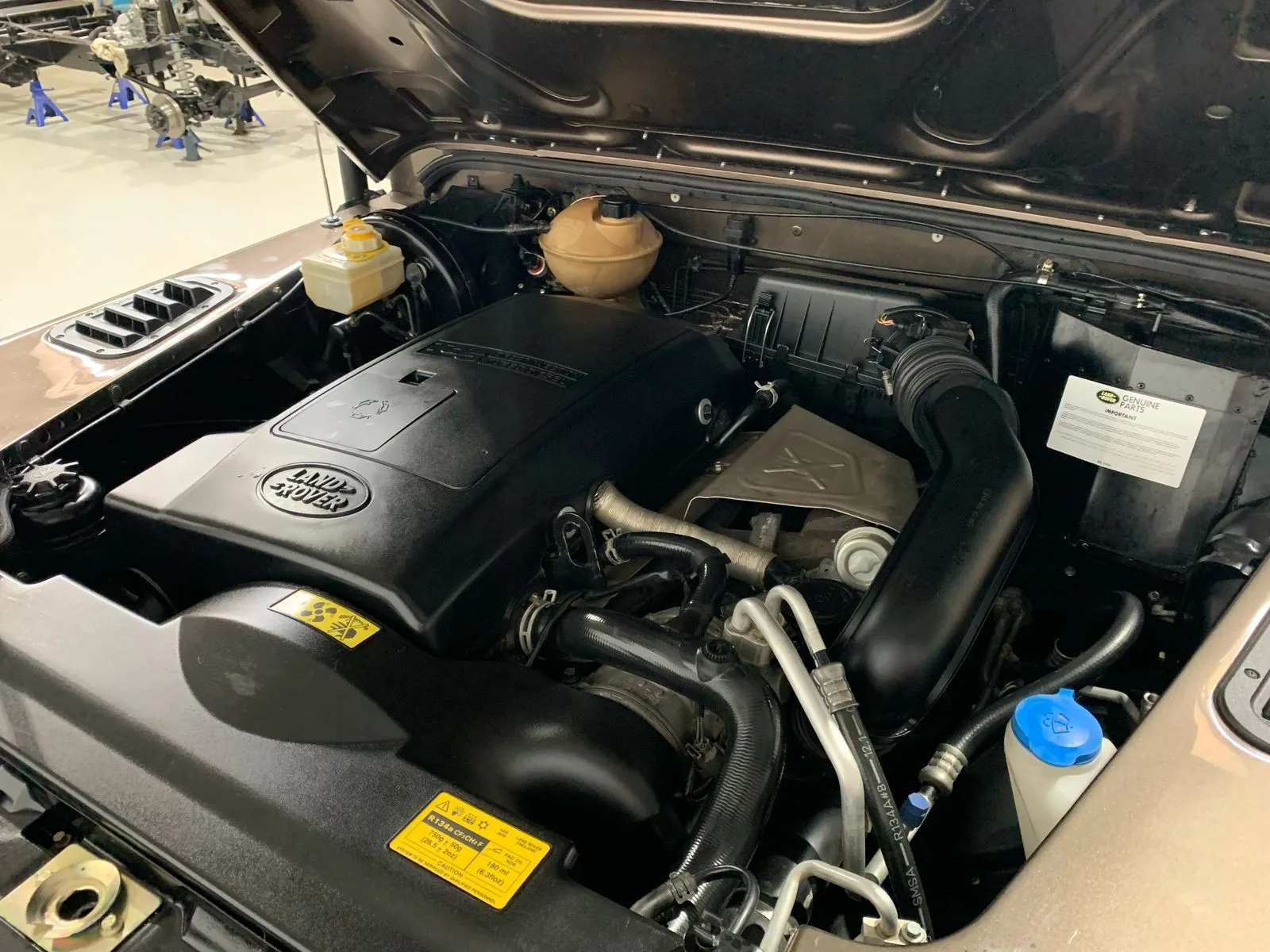
Land Rover has built a global reputation for producing vehicles that combine luxury, durability, and exceptional off-road capability. At the heart of every Land Rover vehicle lies a powerful and carefully engineered engine designed to perform in both extreme terrains and everyday driving conditions. From rugged mountain trails to modern highways, Land Rover engines are created to deliver strength, efficiency, and long-term reliability.
This article explores the evolution, technology, types, performance features, and future innovations of Land Rover engines, explaining why they remain a benchmark in premium SUV engineering.
The Evolution of Land Rover Engines
The journey of Land Rover engines began in 1948 when the brand introduced its first utility vehicle intended for agricultural and military use. Early engines were simple, durable petrol units designed for reliability rather than speed. These engines prioritized torque and mechanical simplicity, allowing drivers to operate vehicles in harsh environments with minimal maintenance.
During the 1980s and 1990s, Land Rover introduced more advanced diesel engines, improving fuel efficiency and long-distance capability. As customer expectations grew, the company began focusing on refinement, performance, and reduced emissions.
In the modern era, Land Rover engines have evolved into technologically advanced powertrains featuring turbocharging, hybrid assistance, and intelligent electronic management systems. Today’s engines combine traditional off-road strength with modern luxury performance.
Types of Land Rover Engines
Land Rover produces several engine types to meet different driving needs and environmental standards.
Petrol Engines
Petrol engines in Land Rover vehicles are known for smooth acceleration and strong power delivery. These engines typically feature turbocharging to increase performance while maintaining efficiency. They are ideal for drivers who prioritize responsive acceleration and refined highway driving.
Modern petrol engines include advanced fuel injection systems that optimize combustion, resulting in improved horsepower and reduced emissions.
Diesel Engines
Diesel engines have long been a signature element of Land Rover vehicles. Known for their high torque output, diesel engines are particularly effective for towing, off-road driving, and long-distance travel.
These engines provide excellent fuel economy compared to petrol options, making them popular in markets where efficiency and durability are essential. Advanced diesel technologies also reduce noise and vibration, creating a more comfortable driving experience.
Hybrid and Plug-In Hybrid Engines
To meet modern environmental standards, Land Rover has introduced hybrid powertrains. These systems combine traditional internal combustion engines with electric motors to enhance fuel efficiency and reduce emissions.
Plug-in hybrid engines allow short-distance driving using electric power alone, making them suitable for urban environments while still offering full off-road capability when needed.
Engine Design and Engineering Philosophy
Land Rover engines are designed with a clear philosophy: balance power with reliability. Engineers focus on creating engines capable of performing under extreme conditions such as mud, sand, snow, and steep inclines.
Key design priorities include:
-
High torque at low RPM for off-road control
-
Strong cooling systems for harsh climates
-
Durable internal components
-
Efficient fuel management systems
The engines are tested extensively in challenging environments to ensure long-term durability and performance consistency.
Advanced Engine Technologies
Modern Land Rover engines incorporate cutting-edge technology to enhance performance and efficiency.
Turbocharging
Turbochargers increase engine power by forcing additional air into the combustion chamber. This allows smaller engines to produce higher performance while maintaining fuel efficiency.
Direct Fuel Injection
Direct injection technology delivers fuel precisely into the combustion chamber, improving combustion efficiency. This results in better fuel economy, reduced emissions, and smoother power delivery.
Variable Valve Timing
Variable valve timing adjusts how engine valves open and close depending on driving conditions. This improves both performance and fuel efficiency by optimizing airflow within the engine.
Mild Hybrid Systems
Some Land Rover engines use mild hybrid technology that captures energy during braking and reuses it to assist acceleration. This reduces fuel consumption and enhances driving smoothness.
Performance and Off-Road Capability
One of the defining characteristics of a Land Rover engine is its ability to perform off-road. Unlike standard SUV engines designed mainly for urban driving, Land Rover engines are engineered for challenging terrain.
High torque output allows vehicles to climb steep slopes and navigate uneven surfaces with ease. Advanced traction and terrain management systems work alongside the engine to deliver controlled power to each wheel.
Whether driving through water crossings or rocky paths, the engine provides steady and predictable performance, giving drivers confidence in difficult conditions.
Fuel Efficiency and Environmental Responsibility
As environmental awareness increases worldwide, Land Rover has made significant efforts to improve engine efficiency and reduce emissions.
Modern engines feature:
-
Start-stop technology that shuts off the engine during idle moments
-
Lightweight materials that reduce overall vehicle weight
-
Improved aerodynamics supported by engine optimization
-
Hybrid and electrified powertrains
These innovations help reduce fuel consumption while maintaining the performance expected from a premium SUV.
Reliability and Maintenance
Reliability is a major focus in Land Rover engine development. Engines are built using high-quality materials and undergo extensive durability testing. However, like all high-performance engines, proper maintenance is essential.
Recommended maintenance practices include:
-
Regular oil changes using manufacturer-approved oil
-
Timely replacement of filters and spark plugs
-
Cooling system inspections
-
Software updates for engine management systems
Consistent servicing ensures optimal performance and extends engine lifespan.
Driving Experience and Refinement
Modern Land Rover engines are not only powerful but also refined. Engineers work to minimize noise, vibration, and harshness, creating a quiet and comfortable cabin environment.
Electronic engine management systems continuously monitor performance, adjusting parameters in real time to deliver smooth acceleration and efficient fuel use. Drivers experience strong power delivery without sacrificing comfort, making Land Rover vehicles suitable for both adventure and daily commuting.
Future of Land Rover Engines
The automotive industry is rapidly shifting toward electrification, and Land Rover is actively adapting to this change. Future engine development focuses on hybrid systems and fully electric powertrains while maintaining the brand’s legendary off-road capability.
Upcoming innovations aim to include:
-
Increased electric driving range
-
Faster charging technologies
-
Advanced battery efficiency
-
Intelligent energy management systems
The goal is to combine sustainability with the rugged performance that defines the brand.
Conclusion
Land Rover engines represent a unique blend of strength, innovation, and refinement. From early mechanical designs built for agricultural work to modern hybrid powertrains equipped with advanced technology, the evolution of these engines reflects decades of engineering excellence.
Their ability to deliver high torque, reliable performance, and luxurious driving comfort makes them ideal for both off-road adventures and everyday travel. With continuous advancements in efficiency and electrification, Land Rover engines are moving toward a future where sustainability meets performance without compromise.
For more information.