The importance of exercise
The Power of Movement: Why Exercise is Your Best Long-Term Investment
In 2025, physical activity is no longer just a fitness goal—it is a medical necessity. Recent global health data reveals that nearly 31% of adults do not meet recommended activity levels, a gap that significantly increases the risk of chronic illness and premature death.
Whether you are looking to boost your mood, sharpen your mind, or add years to your life, regular exercise remains the single most effective tool at your disposal.
1. Physical Resilience and Disease Prevention
Regular movement is the cornerstone of physical health, acting as a natural defense against the leading causes of mortality.
Heart Health: Aerobic activity strengthens the heart and improves circulation, lowering the risk of stroke, heart attack, and high blood pressure.
Metabolic Control: Exercise helps manage blood glucose and insulin levels, essential for preventing or managing Type 2 diabetes.
Bone & Muscle Strength: Resistance training is vital for maintaining bone density and muscle mass, especially as we age, to prevent osteoporosis and life-altering falls.
Cancer Risk Reduction: Consistent activity is linked to a lower risk of at least eight types of cancer, including breast, colon, and lung cancer.
2. A Powerful Medicine for the Mind
The benefits of exercise extend far beyond the physical; it is often as effective as traditional therapies for mental well-being.
Mood Elevation: Physical activity triggers the release of endorphins and serotonin, which naturally reduce stress and combat symptoms of depression and anxiety.
Cognitive Sharpness: In 2025, research continues to show that regular exercise increases the volume of brain regions associated with memory and thinking.
Stress Management: Movement helps normalize cortisol levels—the body's primary stress hormone—restoring emotional balance and improving sleep quality.
3. Adding Years to Your Life
Scientific evidence confirms that being active directly correlates with longevity.
Lifespan Extension: Physically active individuals can increase their life expectancy by 0.4 to 6.9 years compared to those who are sedentary.
The "Survival Benefit": Even modest amounts of exercise (as little as 150 minutes of moderate activity per week) can reduce the risk of early death from all causes by up to 30-40%.
Quality of Life: Importantly, these added years are often "disability-free," meaning active individuals maintain their independence longer.
How Much Do You Need? (2025 Guidelines)
According to the latest WHO Physical Activity Guidelines, adults should aim for:
Aerobic Activity: At least 150–300 minutes of moderate-intensity (e.g., brisk walking) or 75–150 minutes of vigorous-intensity activity (e.g., running) per week.
Strength Training: Muscle-strengthening activities involving all major groups on 2 or more days a week.
Consistency: The new 2025 standard emphasizes that "every move counts"—even short, 1-2 minute bursts of activity like stair climbing provide measurable benefits.
Final Takeaway
Exercise is more than just a workout; it is a proactive approach to health that improves nearly every system in the body. If you're not currently active, start small. Whether it's a daily 30-minute walk or a quick home workout, the best time to start is today.



Categorie
Leggi tutto
In the Norse mythology-inspired MMORPG Odin: Valhalla Rising, Diamonds are the game's premium currency, holding immense Odin Valhalla Rising Diamonds value for players seeking to enhance their characters, unlock rare items, and stay ahead in both PvE and PvP content. Whether you're a casual adventurer or a hardcore raider, knowing how to efficiently earn, manage, and wisely spend Diamonds can...

Path of exile currency, the renowned action role-playing game developed by Grinding Gear Games, is not just celebrated for its deep mechanics, expansive skill customization, and ruthless endgame content—it’s also a vibrant economic simulator, driven almost entirely by player interaction. In this dark fantasy world of Wraeclast, where barter and bloodshed replace gold coins and peace...

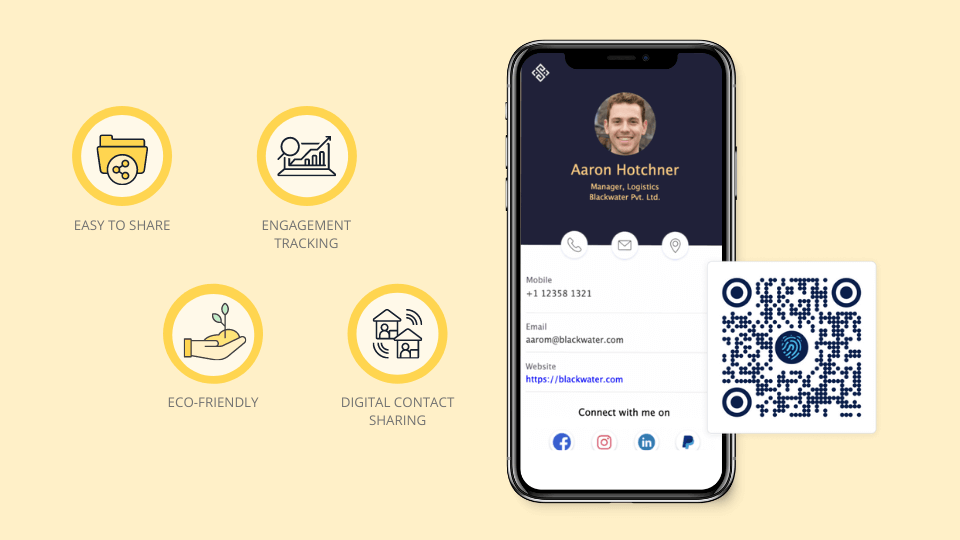
The long-term vision for the UK's digital business card industry is one that transcends the simple concept of a "card" and evolves into a central pillar of professional digital identity and relationship management. Exploring the future UK Digital Business Card Industry Outlook reveals a trajectory that moves far beyond the current model of contact exchange and towards a future where...
The global calcite market is witnessing notable growth, driven by its versatile applications across multiple industries. Calcite, a naturally occurring calcium carbonate mineral, is extensively used in construction, plastics, paints, and paper manufacturing. The rising demand for high-quality paints and coatings, particularly in emerging economies, is fueling calcite consumption due to its...