Best Programmable Thermostat Settings for Saving Money on Heating and Cooling
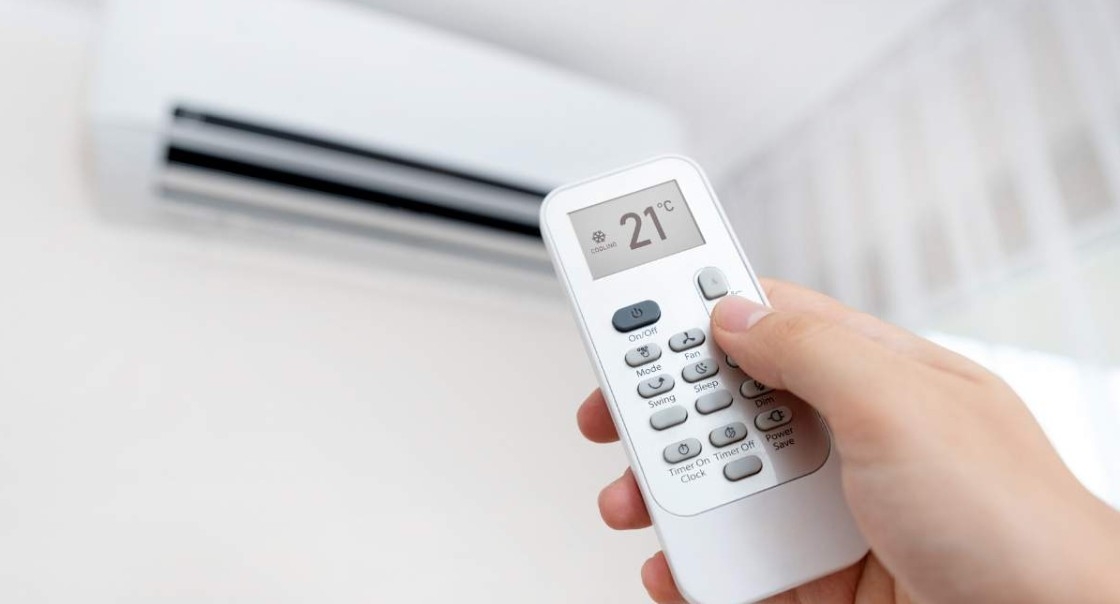
Rising energy costs have made homeowners more conscious about how they heat and cool their living spaces. One of the most effective yet often underused tools for controlling energy bills is a programmable thermostat. When set correctly, it can significantly reduce heating and cooling expenses without sacrificing comfort. Many people install programmable thermostats but never optimize the settings, leaving potential savings unrealized. Understanding how temperature schedules work and how they interact with your HVAC system is key to making smarter energy decisions and maintaining long-term efficiency.
How Programmable Thermostats Reduce Energy Costs
Programmable thermostats save money by reducing unnecessary heating and cooling when a home is unoccupied or when occupants are asleep. Instead of maintaining a constant temperature throughout the day, these devices allow you to create schedules that align with your daily routine. Lowering the heating temperature during work hours or raising the cooling temperature while you’re away can lead to noticeable reductions in energy usage. According to energy experts, even a small adjustment of one or two degrees can translate into meaningful savings over time. Professionals trained in Heating Ventilation Air Conditioning systems understand how thermostat behavior directly impacts system workload and energy consumption, making proper programming essential for efficiency.
Ideal Winter Thermostat Settings for Heating Savings
During colder months, the recommended daytime heating temperature is typically around 68°F (20°C) when you’re home and awake. When you’re sleeping or away from home, lowering the temperature by 7–10 degrees can significantly reduce heating costs without compromising comfort. Many homeowners worry that reheating the home will consume more energy, but modern HVAC systems are designed to handle temperature recovery efficiently. Consistency in scheduling is more important than frequent manual adjustments. Learning how heating systems respond to programmed setbacks is a core concept taught in Heating Ventilation Air Conditioning training, as it helps balance comfort with long-term energy efficiency.
Best Summer Settings for Cooling and Cost Reduction
In warmer months, setting your thermostat to around 78°F (26°C) while at home provides a balance between comfort and energy savings. When you’re away or sleeping, increasing the temperature by a few degrees reduces strain on the cooling system. Ceiling fans and proper insulation can further enhance comfort without lowering the thermostat. Programmable thermostats are especially effective in summer because air conditioning systems consume significant energy when maintaining low indoor temperatures. HVAC professionals specializing in Heating Ventilation Air Conditioning often emphasize that smart cooling schedules not only save money but also extend the lifespan of air conditioning equipment by preventing overuse.
Weekday vs Weekend Thermostat Programming
One of the most overlooked features of programmable thermostats is the ability to create separate schedules for weekdays and weekends. Many households have predictable weekday routines but more flexible weekend habits. A well-programmed thermostat accounts for these differences, ensuring energy savings without inconvenience. For example, weekday schedules can reduce heating or cooling during work hours, while weekend settings can maintain comfort for longer periods. Understanding household behavior patterns is crucial for effective programming. This practical approach is commonly taught in Heating Ventilation Air Conditioning courses, where technicians learn how user habits influence system performance and energy efficiency.
Smart Thermostats vs Traditional Programmable Models
While traditional programmable thermostats rely on manual scheduling, smart thermostats use sensors and learning algorithms to optimize temperature settings automatically. They can detect occupancy, track usage patterns, and even adjust settings based on weather conditions. Although smart thermostats often come with a higher upfront cost, they can offer greater long-term savings when used correctly. However, improper setup can limit their effectiveness. Professionals trained in Heating Ventilation Air Conditioning systems understand how to configure these devices correctly, ensuring they work seamlessly with existing HVAC equipment and deliver maximum efficiency.
Common Thermostat Mistakes That Increase Energy Bills
Many homeowners unknowingly make mistakes that reduce the effectiveness of programmable thermostats. Constantly overriding programmed settings, placing thermostats near heat sources, or using extreme temperature setbacks can lead to inefficiency and discomfort. Another common mistake is failing to update schedules when routines change. These issues can cause HVAC systems to work harder than necessary, increasing energy costs and wear. Education plays a crucial role in avoiding these pitfalls. Learning the fundamentals of Heating Ventilation Air Conditioning helps individuals understand how small behavioral changes can lead to significant improvements in energy efficiency and system performance.
Long-Term Savings and System Longevity
Proper thermostat programming doesn’t just lower monthly utility bills; it also contributes to the long-term health of your HVAC system. Reduced runtime and balanced temperature control minimize mechanical stress, lowering the risk of breakdowns and extending equipment lifespan. Over time, these benefits can result in substantial savings on maintenance and replacement costs. Homeowners who understand how heating and cooling systems operate are better equipped to make informed decisions. Knowledge gained through Heating Ventilation Air Conditioning education provides valuable insight into how everyday thermostat choices impact both comfort and long-term system reliability.
Final Thoughts on Optimizing Thermostat Settings
Programmable thermostats are powerful tools for managing heating and cooling costs, but their effectiveness depends on proper setup and consistent use. By aligning temperature schedules with daily routines, adjusting settings seasonally, and avoiding common mistakes, homeowners can achieve noticeable energy savings without sacrificing comfort. Whether using a traditional programmable model or a smart thermostat, understanding how HVAC systems respond to temperature changes is essential. With the right knowledge and approach, optimizing thermostat settings becomes a simple yet highly effective way to control energy expenses and improve overall home efficiency.
Kategoriler
Read More
В настоящее время, где комфорт и индивидуальность играют ключевую роль в создании уютного интерьера, производство мягкой мебели на заказ становится все более популярным. Фабрика Luxury Sofas предлагает качественные дизайнерские диваны и кровати, которые идеально вписываются в любой интерьер, благодаря возможности индивидуального подхода и реализации уникальных концепций.Одним из ключевых...

Если вам нужна seo компания, то WebStripe — это партнёр, который говорит языком цифр, а не обещаний. Мы предлагаем решения, подходящие как для малого бизнеса, так и для крупных компаний. Мы не предлагаем универсальные пакеты — каждое решение подбирается индивидуально, исходя из задач клиента. Мы работаем как с локальными проектами, так и с федеральными брендами. Если вы ищете...
In these days’s competitive enterprise surroundings, performance and reliability in supply chain management have turned out to be vital elements that decide the achievement of any enterprise. From producers and exporters to...