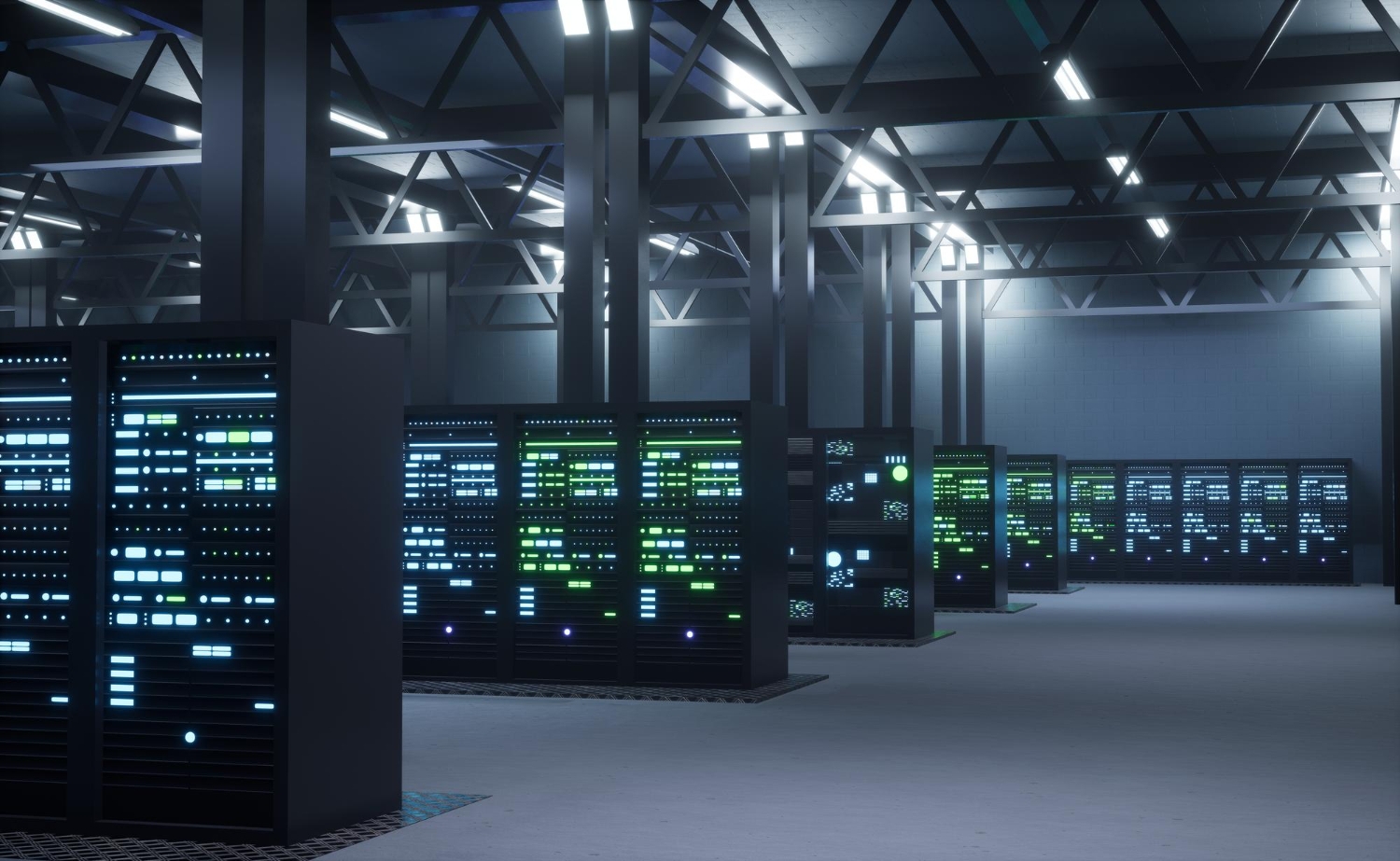
In today’s rapidly evolving digital landscape, businesses require agile, scalable, and cost-effective IT infrastructure to support their operations. This demand has led to the rise of the Virtual Data Center, a modern approach to hosting and managing computing resources without relying on physical hardware. By leveraging virtualization and cloud technologies, organizations can efficiently run applications, store data, and scale workloads with ease. Understanding what a Virtual Data Center is and how it works can help businesses make more informed decisions when modernizing their IT environments.
What Is a Virtual Data Center?
A Virtual Data Center is a cloud-based environment where computing resources—such as servers, storage, networking, and security—are delivered virtually instead of through physical infrastructure. It replicates the functionalities of a traditional on-premises data center but in a software-defined environment. This allows organizations to deploy and manage their IT resources through a centralized dashboard while benefiting from greater flexibility, scalability, and cost savings.
Virtual Data Centers are built on virtualization technology, enabling multiple virtual machines (VMs) to run on a single physical server. Businesses can allocate resources dynamically based on demand, eliminating the limitations of fixed physical hardware. This makes it ideal for enterprises that experience varying workloads, need rapid deployment, or want to reduce capital expenditures.
How Does a Virtual Data Center Work?
A Virtual Data Center operates by pooling computing resources from physical servers and making them available to users in a virtualized form. Its architecture typically includes virtual servers, virtual networks, virtual firewalls, storage systems, and management tools—all hosted in a cloud environment.
1. Virtualization Technology
At the core of a Virtual Data Center is hypervisor-based virtualization. A hypervisor is software that creates and manages virtual machines. It abstracts the physical hardware and allows multiple VMs to operate independently on the same physical infrastructure. Each VM behaves like a standalone server with its own CPU, RAM, storage, and operating system.
2. Resource Pooling and Allocation
All physical resources are combined into a large pool. When a business creates a new virtual machine or application environment, the system allocates the required resources from this pool. This ensures optimal utilization and prevents hardware wastage.
3. Software-Defined Networking (SDN)
A Virtual Data Center uses software-defined networking to manage data traffic virtually. Instead of relying on physical routers or switches, SDN controls the network through software, enabling faster configuration, improved automation, and better scalability.
4. Centralized Management Dashboard
Users can control the entire infrastructure through a browser-based interface. Tasks like adding storage, launching servers, configuring firewalls, or adjusting network settings can be done in minutes. This reduces dependency on physical IT staff and speeds up operations.
5. Security and Compliance
Virtual Data Centers include built-in security features such as encryption, firewalls, intrusion detection, and identity management. These tools help protect workloads and maintain compliance with industry standards and data protection laws.
Benefits of Using a Virtual Data Center
A Virtual Data Center offers numerous advantages for businesses of all sizes:
Scalability
Organizations can scale resources up or down instantly based on demand. This makes it ideal for seasonal workloads, new projects, or expansion.
Cost Efficiency
Because resources are virtualized, companies avoid the cost of purchasing and maintaining physical hardware. They pay only for what they use, reducing financial burden.
Flexibility
Businesses can customize configurations for different workloads, from web hosting to big data analytics.
Enhanced Security
Virtual firewalls, encryption, and monitoring tools help strengthen data protection.
High Availability
Built-in redundancy and automated failover mechanisms minimize downtime and improve reliability.
Conclusion
A Virtual Data Center provides modern enterprises with an efficient, scalable, and cost-effective alternative to traditional physical infrastructure. By leveraging virtualization and cloud technologies, businesses can deploy, manage, and scale their IT resources effortlessly. With benefits such as flexibility, improved security, and reduced costs, virtual data centers are becoming the preferred choice for organizations looking to accelerate their digital transformation journey.