Custom Window Boxes: Combining Product Visibility, Protection and Practical Packaging Design
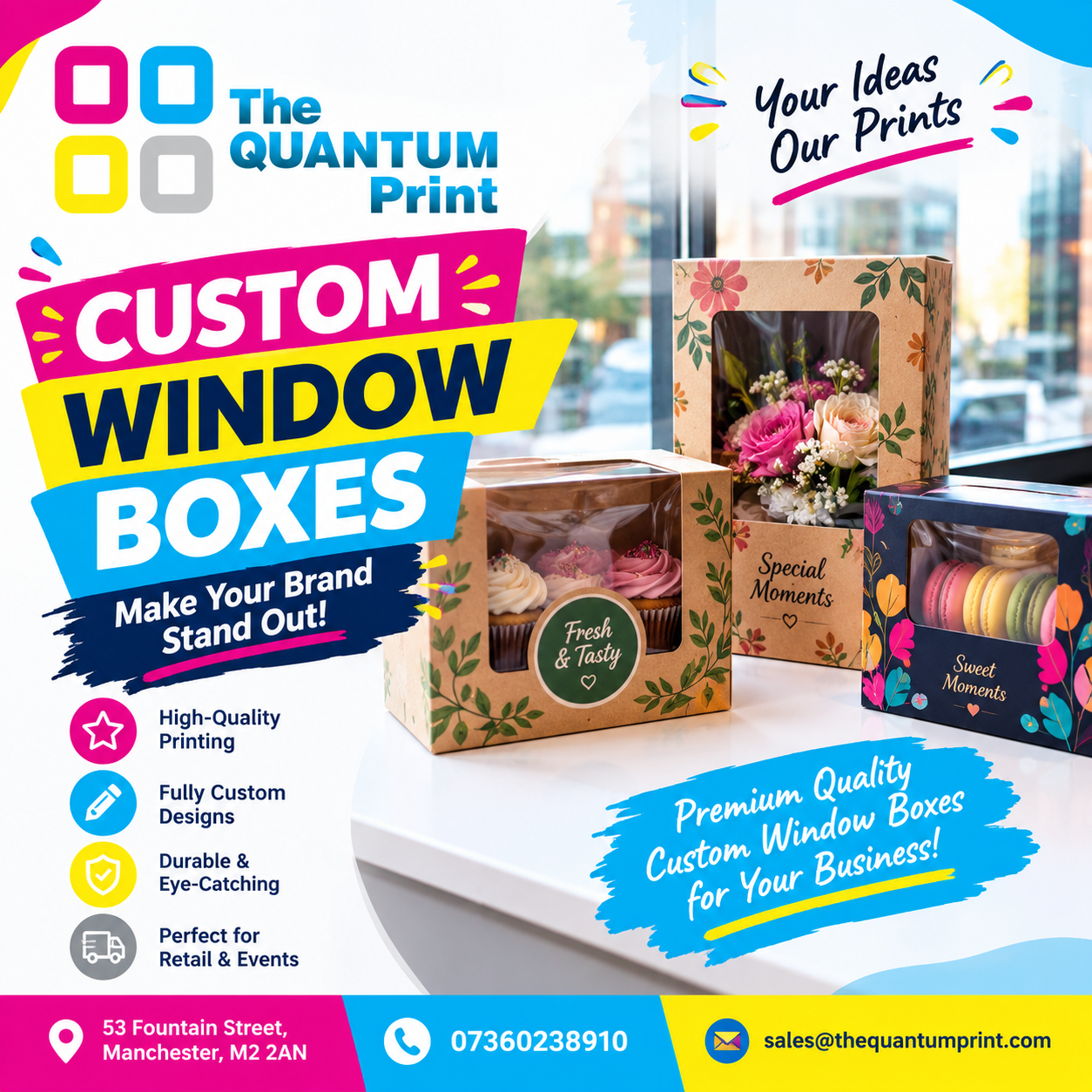
Packaging has become an important part of how products are presented, protected, stored, and transported. For retailers and e-commerce businesses, the right box needs to do more than simply contain an item. It should provide adequate protection, communicate useful information, and create a consistent presentation across different sales channels.
One packaging format that addresses several of these requirements is the Custom window boxes. By combining a printed structure with a transparent window, this format allows customers to see part of the product while keeping it enclosed. The approach is useful across retail, food, cosmetics, gifts, crafts, and other consumer product categories.
What Makes Window Box Packaging Useful?
The main feature of window box packaging is its transparent section, which provides product visibility without requiring the box to be opened. This can be particularly useful for products where appearance, colour, texture, or presentation influences purchasing decisions.
For example, a window can be incorporated into packaging for:
- Bakery and confectionery products
- Handmade soaps and candles
- Cosmetics and beauty products
- Gifts and accessories
- Small retail products
- Crafts and seasonal merchandise

The size and position of the window can be adapted to the product and structural design. A carefully positioned window can showcase the most recognisable part of a product while leaving sufficient printed surface for branding, instructions, ingredients, or other information.
Why Material Selection Matters
Packaging design should consider both appearance and performance. Paperboard can be suitable for many retail applications because it is relatively lightweight and can be printed with detailed graphics. However, products that require additional structural strength may benefit from corrugated materials.
Corrugated box packaging consists of fluted material positioned between liner sheets. The structure provides rigidity and can help protect products during handling, storage, and transportation.
The appropriate material depends on several factors:
- Product weight — Heavier products generally require stronger construction.
- Fragility — Breakable products may need additional internal protection.
- Shipping distance — E-commerce packaging may experience more handling than shelf-ready retail packaging.
- Storage conditions — Humidity and temperature can influence material performance.
- Box dimensions — Larger structures may require greater rigidity to resist crushing.
Selecting material based on actual use rather than appearance alone can reduce packaging failures and unnecessary material consumption.
Custom Corrugated Box Packaging for E-Commerce
The growth of online retail has increased the importance of packaging that can withstand transportation. Unlike products displayed directly on a shop shelf, e-commerce parcels can pass through multiple handling points before reaching the customer.
Custom corrugated box packaging can be designed around specific product dimensions, helping businesses avoid excessive empty space while providing a suitable protective structure.
Practical considerations include:
- Accurate internal dimensions
- Appropriate board strength
- Secure closure methods
- Protection against movement inside the box
- Efficient storage before dispatch
- Clear external shipping information
Right-sized packaging can also help businesses manage storage and shipping requirements. However, the smallest possible box is not always the appropriate choice; sufficient protection remains essential.

Finding Suitable Packaging Locally
Businesses searching for corrugated box packaging near me may find numerous suppliers, but geographical proximity should not be the only consideration. Packaging requirements differ considerably between industries, product sizes, and distribution models.
Before selecting a supplier, it can be useful to evaluate:
- Available board grades and materials
- Custom sizing capabilities
- Printing options
- Minimum order quantities
- Sampling or prototype availability
- Production lead times
- Structural design support
- Finishing options
A sample or prototype can be particularly valuable before committing to a large production run. It allows the business to check whether the product fits correctly and whether the box performs as expected during handling.
Practical Packaging Trends to Consider
Packaging continues to evolve as businesses balance presentation, protection, cost, and environmental considerations. Several practical trends are influencing current packaging decisions.
Right-Sized Structures
Oversized boxes can require additional protective filling and take up more warehouse and transport space. Designing packaging closer to the product’s actual dimensions can improve material efficiency when appropriate.
Product Visibility
Window packaging remains relevant where consumers benefit from seeing the product before purchase. The window can reduce the need for customers to open packaging during retail browsing.
Functional Printing
Packaging graphics are increasingly expected to do more than provide visual branding. Clear product information, usage instructions, recycling guidance, and handling information can make packaging more useful to customers.
Sustainable Material Choices
Businesses are also paying greater attention to recyclable and responsibly sourced packaging materials. Material selection should consider the complete packaging structure, including windows, coatings, adhesives, and printing processes, rather than focusing on one component in isolation.
The Quantum Print provides an example of a UK packaging provider offering custom window box solutions for businesses looking to combine product visibility with printed presentation.
Avoiding Common Packaging Problems
Several packaging problems can often be prevented during the design stage. A box that looks attractive but does not adequately protect the product may create higher costs through damaged goods and returns.
Common issues include:
- Incorrect internal dimensions
- Weak board for the product weight
- Poorly positioned windows
- Excessive empty space
- Inadequate closure design
- Printing that does not match the intended presentation
- Packaging that is difficult to assemble

Testing the packaging with the actual product is one of the simplest ways to identify these issues. Businesses should consider checking fit, assembly, stacking, handling, and transportation performance before finalising a large production order.
Final Takeaway
Effective packaging is a balance between product presentation, structural performance, practicality, and responsible material selection. Custom window boxes can provide product visibility while maintaining an enclosed format, making them suitable for many retail and e-commerce applications.
For products requiring additional protection, corrugated box packaging can provide useful structural strength, while custom dimensions and printing can help create packaging suited to a particular product and distribution model.
Whether researching corrugated box packaging near me or developing a wider packaging strategy, businesses should focus on the product’s actual requirements, transportation conditions, material performance, and customer experience. A well-designed package is not simply a container — it is part of the product’s overall journey from production and storage to the customer’s hands.
Категории
Больше
Healthcare and pharmaceutical companies require packaging that supports product protection, information communication, and regulatory requirements. These needs make folding cartons an important component of pharmaceutical packaging systems in the United States, contributing to stable long-term demand. United States Folding Carton Market Pharmaceutical cartons provide valuable space for...

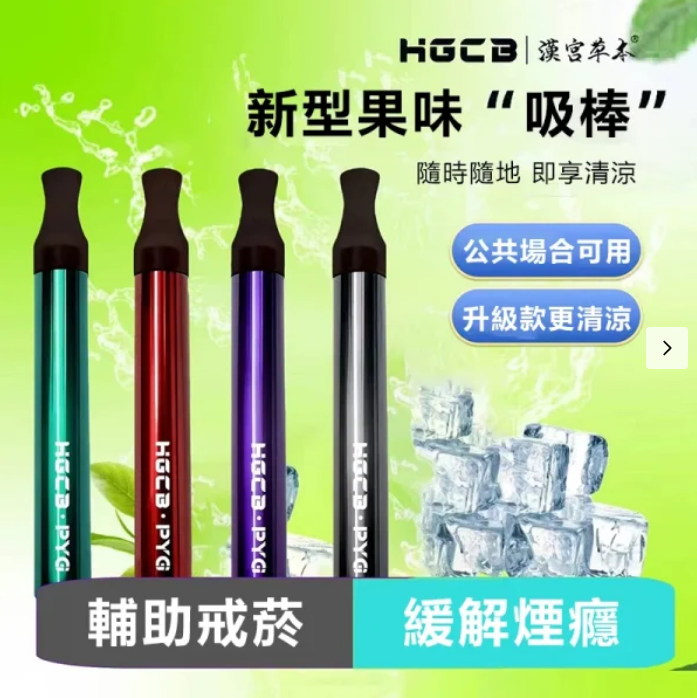
在當代快節奏生活中,越來越多年輕人開始意識到健康的重要性,尤其是在社交與工作壓力之下,傳統吸菸習慣正逐漸被新的替代方式所取代。「戒菸神器」也因此成為近期討論度極高的熱門關鍵詞,而其中最受關注的,就是以溫和方式過渡的替代型產品。 相比直接強行戒斷,許多人更傾向選擇循序漸進的方式,例如透過具有口感與儀式感的產品來減少依賴感。像是市場上受到年輕族群歡迎的漢宮草本果味吸棒,就以草本配方與清新果味作為特色,提供更柔和的替代體驗,讓使用者在心理與習慣上都更容易適應轉換期。 在眾多選擇中,「果味吸棒」的出現,正好填補了傳統香菸與完全戒斷之間的空白。它不僅強調口感層次,也減少刺激感,讓不少使用者將其視為過渡期的重要工具。對於想要改善生活習慣的人來說,這類產品成為熱門的入門選擇。...
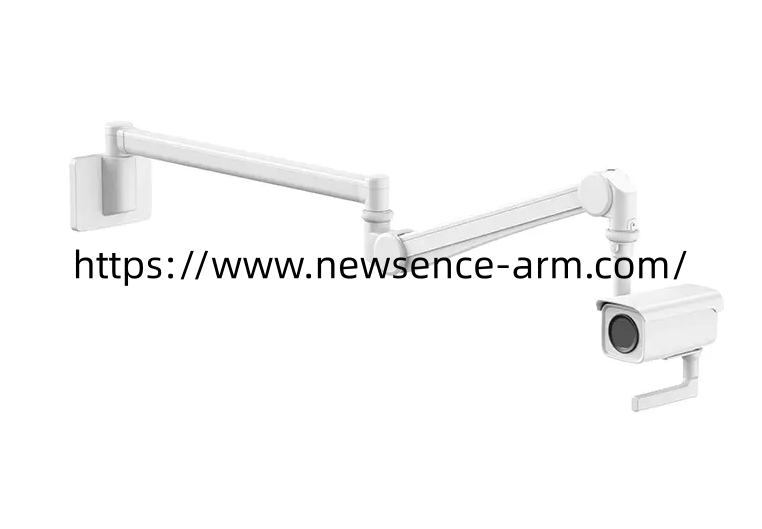
Modern medical facilities often need to accommodate multiple displays without filling valuable floor or wall space. A Ceiling Mount Medical Monitor Arm provides an overhead approach that can keep screens accessible while leaving the surrounding workspace more open. For rooms requiring multiple information sources, a Ceiling Mount Medical Monitor Arm can support dual-screen viewing, flexible...
" According to the latest report published by Data Bridge Market Research, the Spouted Pouches Market The global spouted pouches market size was valued at USD 3.86 billion in 2024 and is expected to reach USD 7.67 billion by 2032, at a CAGR of 9.00% during the forecast period An influential Spouted Pouches Market report analyses key factors of the...
According to the latest report published by Data Bridge Market Research, the Next-Generation Memory Market The global next-generation memory market size was valued at USD 11.74 billion in 2025 and is expected to reach USD 94.65 billion by 2033, at a CAGR of 29.8% during the forecast period. Quality and transparency has been strictly maintained while carrying out research studies to...