
Survival Strategies and Secrets Inside the Horror Game Granny Experience
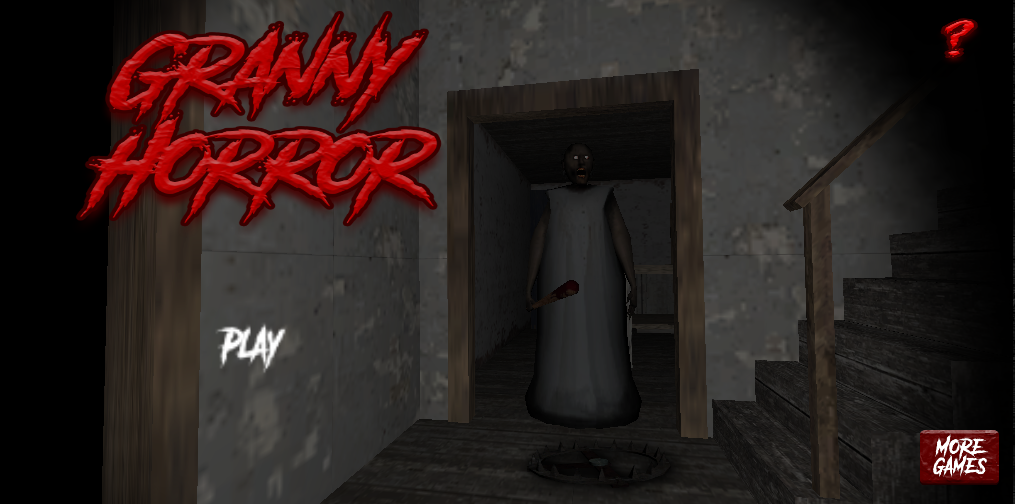
Granny Overview and Core Concept
The game Granny places players inside a locked house where survival depends on stealth, observation, and quick decision making. The main objective is to escape within a limited number of days while avoiding detection by a hostile character known as Granny. Each attempt challenges players to learn the layout of the house, understand item locations, and react to sudden threats.
The environment is designed with tension in mind. Doors creak, floors can make noise, and dropped objects may attract attention. Players must balance exploration with silence. Every action carries risk, and careless movement can quickly lead to failure. The limited time frame increases pressure, making each decision important.
Game Environment and Structure
The house in Granny is divided into multiple rooms, each containing useful items, puzzles, or hiding spots. Players begin in a random location, which changes the initial approach required for exploration. Some rooms contain locked doors that require keys or tools, while others hide essential escape components.
The structure encourages repeated playthroughs. Item placement often varies, and certain puzzles require combining objects found in different areas. This randomness ensures that memorization alone is not enough. Instead, players must develop flexible strategies that adapt to new conditions.
Sound plays a major role in the environment. Walking on certain surfaces, opening drawers, or dropping objects can create noise. Granny reacts to these sounds, making it necessary to move carefully and deliberately. Awareness of surroundings becomes a critical skill for survival.
Core Gameplay Mechanics
The gameplay revolves around stealth and item collection. Players can crouch, hide under beds, inside closets, or behind furniture to avoid detection. Timing is essential when moving between hiding spots, especially when Granny is nearby.
Interaction with objects is simple but meaningful. Items such as keys, hammers, pliers, and weapons serve specific purposes. Keys unlock doors, tools disable traps, and certain objects help progress through puzzles. Carrying capacity is limited, so players must decide which items to prioritize.
The game includes multiple escape routes. Each route requires solving different challenges, such as unlocking the main door, repairing a vehicle, or activating a secret exit. Understanding these paths allows players to plan ahead and collect necessary items efficiently.
Enemy Behavior and Threat System
Granny moves throughout the house using a patrol system combined with reactive behavior. When she hears noise, she investigates the source. If she sees the player, she begins a chase. During a chase, speed and awareness become critical.
Granny also uses traps and obstacles to slow progress. Bear traps placed in random locations can immobilize the player temporarily. Stepping into a trap without caution can lead to immediate danger, especially if Granny is nearby.
Her behavior creates a constant sense of tension. Even when she is not visible, the possibility of her presence influences player decisions. Listening for footsteps and recognizing audio cues helps determine safe moments for movement.
Items and Their Functions
Items are central to progression. Each item has a specific role that contributes to escape. Keys unlock doors, while tools such as hammers or cutters assist in disabling barriers. Some items are required to solve puzzles that unlock hidden areas.
Certain items are reusable, while others are consumed after use. Managing inventory space becomes important when exploring multiple rooms. Players must often backtrack to retrieve dropped items or exchange them for more useful ones.
Understanding item combinations is also important. Some puzzles require multiple steps, such as finding a component, using it to unlock another item, and then applying that item elsewhere. Logical thinking and memory help connect these steps efficiently.
Strategies for Survival
Successful gameplay depends on careful planning and patience. Rushing through the house increases the chance of making noise or entering dangerous areas. Moving slowly and checking surroundings reduces risk.
One effective strategy is to map mental routes through the house. Identifying key rooms, hiding spots, and item locations helps reduce unnecessary movement. Repeated exploration builds familiarity, allowing faster navigation in later attempts.
Listening is another important skill. Audio cues indicate the location of Granny and signal safe or unsafe moments to move. Pausing movement when footsteps are heard can prevent detection.
Hiding spots should be used wisely. Staying hidden for too long may limit progress, but moving too early can lead to encounters. Timing exits from hiding places requires attention to sound patterns and nearby activity.
Common Mistakes to Avoid
New players often make mistakes that increase difficulty. One common error is ignoring noise levels. Running or dropping objects without caution can quickly attract attention.
Another mistake is carrying unnecessary items. Inventory space is limited, so holding items without purpose can prevent collection of more important tools. Prioritizing essential items improves efficiency.
Failing to explore thoroughly is also a problem. Important items may be hidden in less obvious locations. Skipping rooms or rushing through areas can result in missing critical components needed for escape.
Overconfidence can also lead to mistakes. Assuming safe areas remain safe without checking can result in unexpected encounters. Regular awareness of Granny location is necessary throughout gameplay.
Difficulty and Replay Value
The game offers multiple difficulty levels that adjust Granny behavior and available resources. Higher difficulty increases challenge by reducing item availability and increasing enemy responsiveness. Lower difficulty allows more time to learn mechanics and explore the environment.
Replay value is high due to randomized elements. Item placement changes between attempts, and different strategies may be required each time. This variability keeps gameplay engaging even after multiple sessions.
Players often improve through experience. Learning patterns, refining routes, and mastering stealth mechanics contribute to better performance over time. Each attempt builds knowledge that supports future success.
Conclusion
Granny delivers a tense and engaging survival experience centered on stealth, exploration, and puzzle solving. The confined environment, unpredictable item placement, and reactive enemy behavior create a challenging atmosphere that rewards patience and strategy.
Understanding the house layout, managing noise, and using items effectively are key factors in escaping. With practice, players can develop efficient routes, improve awareness, and reduce mistakes. The combination of fear, logic, and timing makes the experience both challenging and rewarding for those who enjoy survival horror gameplay.

 English
 Arabic
 French
 Spanish
 Portuguese
 Deutsch
 Turkish
 Dutch
Dutch
 Italiano
 Romaian
 Portuguese (Brazil)
 Greek
Greek