Introduction
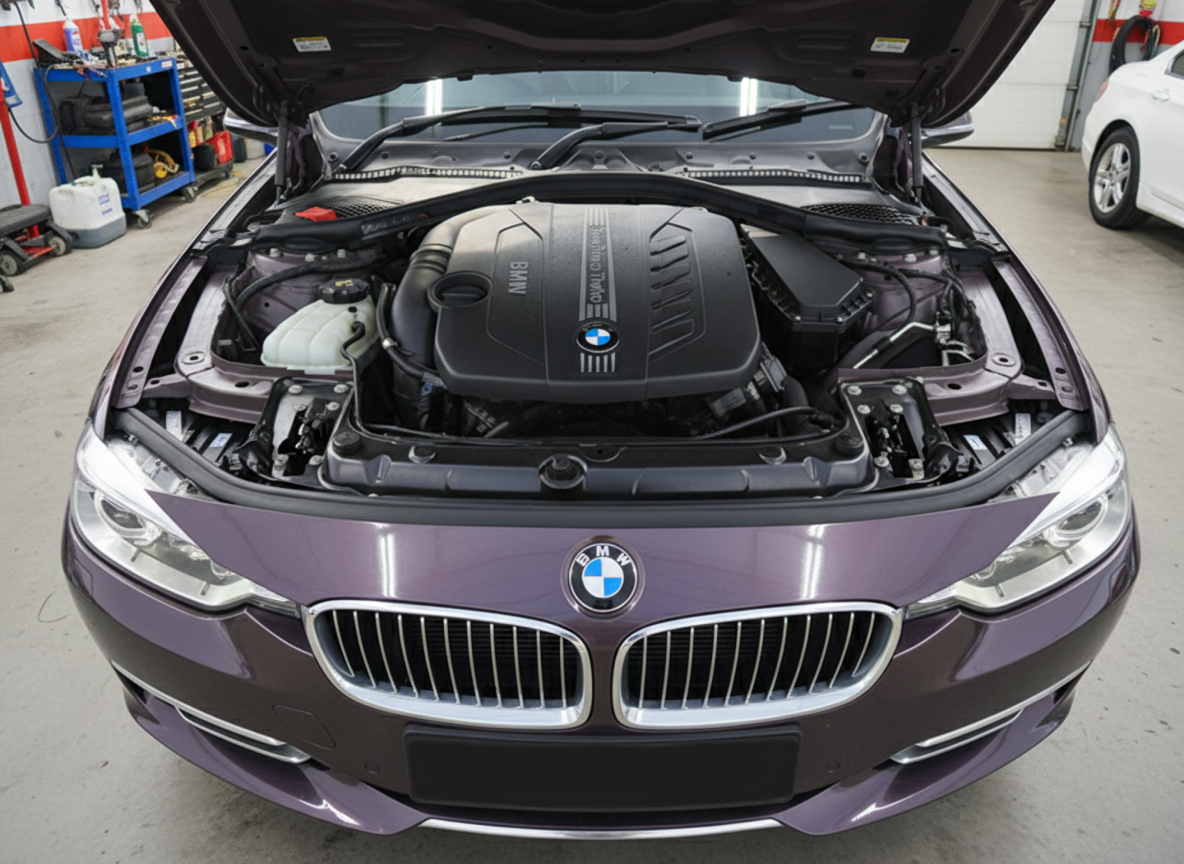
The automotive world recognizes BMW as one of the most innovative and performance-focused car manufacturers in history. Engines developed by BMW have built a global reputation for precision engineering, smooth performance, and advanced technology. Known for blending luxury with sportiness, BMW engines are designed not only to deliver power but also to provide efficiency, reliability, and driving pleasure.
This article explores the evolution, technology, types, and future of BMW engines, explaining why they remain among the most respected powertrains in the automotive industry.
The Philosophy Behind BMW Engines
BMW follows a unique engineering philosophy often summarized by its famous slogan, “The Ultimate Driving Machine.” Unlike many manufacturers that focus solely on power or fuel economy, BMW aims to balance:
-
Performance and acceleration
-
Smooth engine operation
-
Fuel efficiency
-
Long-term durability
-
Driver engagement
BMW engineers prioritize weight distribution, engine responsiveness, and refined performance. This philosophy explains why BMW engines are often praised for their quick throttle response and balanced driving dynamics.
Evolution of BMW Engine Technology
Early Development Years
BMW began building aircraft engines in the early 20th century before transitioning into automobile production. Early car engines were simple inline configurations designed for reliability rather than extreme performance.
During the 1960s and 1970s, BMW introduced compact yet powerful inline engines that became the foundation of its sporty image. BMW engines emphasized smoothness and high-revving capability, setting BMW apart from competitors.
Modern Engineering Era
From the 1990s onward, BMW entered a period of rapid innovation. Key developments included:
-
Electronic fuel injection systems
-
Variable valve timing technology
-
Lightweight aluminum engine blocks
-
Turbocharging advancements
These improvements allowed BMW engines to produce more power while reducing fuel consumption and emissions.
Types of BMW Engines
BMW produces several engine configurations, each designed for specific driving needs.
Inline Engines (Straight Engines)
BMW is famous for its inline-six (I6) engines, widely considered among the smoothest engines ever built.
Key advantages:
-
Perfect mechanical balance
-
Minimal vibration
-
Linear power delivery
-
Excellent durability
Inline engines are commonly found in BMW sedans and performance models because they combine refinement with strong acceleration.
Four-Cylinder Engines
Modern BMW four-cylinder engines focus on efficiency without sacrificing performance.
Features include:
-
Turbocharging for higher output
-
Reduced fuel consumption
-
Lightweight construction
These engines power many entry-level and mid-range models, offering a balance between economy and driving enjoyment.
V8 Engines
BMW V8 engines deliver strong performance for luxury and high-performance vehicles.
Characteristics:
-
High horsepower output
-
Smooth torque delivery
-
Advanced cooling systems
They are typically used in premium sedans, SUVs, and performance-focused variants.
High-Performance M Engines
BMW’s performance division develops specialized engines engineered for racing-inspired driving.
These engines feature:
-
Reinforced internal components
-
Higher boost pressure
-
Track-ready cooling systems
-
Precision tuning for rapid acceleration
They are designed to perform under extreme conditions while maintaining everyday usability.
Key BMW Engine Technologies
BMW continuously introduces advanced technologies to improve performance and efficiency.
TwinPower Turbo Technology
Despite the name, TwinPower Turbo does not always mean two turbochargers. Instead, it refers to a combination of technologies such as:
-
Twin-scroll turbochargers
-
Direct fuel injection
-
Variable valve control
-
Electronic engine management
This system improves acceleration while maintaining fuel efficiency.
Valvetronic System
Valvetronic technology controls valve lift electronically rather than relying on a traditional throttle body.
Benefits include:
-
Improved fuel economy
-
Faster engine response
-
Reduced emissions
-
Smooth power delivery
This innovation helps BMW engines operate more efficiently across different driving conditions.
Double VANOS Variable Timing
Double VANOS adjusts intake and exhaust valve timing continuously.
Advantages:
-
Increased torque at low RPM
-
Better high-speed performance
-
Lower fuel consumption
-
Cleaner emissions
The system ensures optimal engine performance regardless of speed or load.
Performance Characteristics
BMW engines are known for specific driving qualities that distinguish them from competitors.
Smooth Power Delivery
BMW engines provide linear acceleration, meaning power builds progressively rather than suddenly. This improves driver control and comfort.
Balanced Weight Distribution
Many BMW vehicles use front-mounted longitudinal engines positioned carefully to achieve near-perfect weight balance. This enhances cornering stability and handling precision.
High Revving Capability
Unlike some engines that focus only on torque, BMW engines often perform well at higher RPM ranges, delivering a sporty driving experience.
Fuel Efficiency and Environmental Innovation
Modern automotive engineering requires reducing environmental impact without compromising performance. BMW addresses this challenge through several strategies:
-
Efficient turbocharged engines replacing larger naturally aspirated ones
-
Lightweight engine materials
-
Improved combustion efficiency
-
Hybrid integration
BMW’s EfficientDynamics program focuses on lowering fuel consumption and emissions while maintaining driving excitement.
Reliability and Maintenance
BMW engines are engineered with precision, but proper maintenance is essential for long-term reliability.
Key maintenance practices include:
-
Regular oil changes using high-quality synthetic oil
-
Timely replacement of filters and spark plugs
-
Cooling system inspections
-
Software updates when required
When maintained correctly, BMW engines can achieve high mileage while retaining performance.
Common Innovations in Modern BMW Engines
Recent engine developments include:
-
Modular engine architecture allowing shared components across models
-
Improved thermal management systems
-
Reduced internal friction
-
Smart electronic engine control units
These advancements help BMW produce engines that meet strict global emission standards while maintaining strong performance figures.
The Role of Electrification
BMW is actively transitioning toward electrified mobility while continuing to refine combustion engines.
Hybrid Engines
Hybrid systems combine electric motors with gasoline engines to deliver:
-
Instant torque
-
Lower fuel consumption
-
Reduced emissions
-
Quiet city driving capability
Future Direction
BMW’s strategy includes plug-in hybrids and fully electric vehicles, but advanced combustion engines remain important during the transition period.
Why BMW Engines Stand Out
Several factors explain the global popularity of BMW engines:
-
Engineering precision — German manufacturing excellence.
-
Performance balance — Power without sacrificing comfort.
-
Innovative technology — Continuous research and development.
-
Driver-focused design — Engines built for engagement.
-
Premium refinement — Smooth and quiet operation.
These qualities create a distinctive driving feel that enthusiasts often describe as uniquely BMW.
Challenges and Industry Competition
Like all manufacturers, BMW faces challenges such as:
-
Strict emission regulations
-
Transition toward electric vehicles
-
Rising development costs
-
Competition from hybrid and EV-focused brands
However, BMW continues investing heavily in research to maintain its leadership in engine technology.
The Future of BMW Engines
The future of BMW engines will likely combine advanced combustion systems with electrification.
Expected trends include:
-
Smaller turbocharged engines with higher efficiency
-
Increased hybrid integration
-
Sustainable fuel compatibility
-
AI-driven engine management systems
Rather than abandoning engine development entirely, BMW is evolving its technology to meet modern environmental and performance expectations.
Conclusion
BMW engines represent decades of innovation, engineering precision, and performance excellence. From smooth inline-six engines to advanced turbocharged powertrains, BMW has consistently delivered engines that balance power, efficiency, and driving pleasure.
Through technologies like Valvetronic, Double VANOS, and TwinPower Turbo, BMW continues to refine internal combustion engines while preparing for an electrified future. The brand’s commitment to performance and innovation ensures that its engines remain among the most respected and admired in the automotive industry.
For more information.