Website vs Web App: Which Is Better for Your Business?
In today’s digital-first world, having an online presence is no longer optional for businesses. However, many business owners face a common question when planning their digital strategy: Should we build a website or a web app? While both serve important purposes, they differ significantly in functionality, user experience, and long-term business impact. Choosing the right option depends on your goals, audience, and budget.
Understanding the differences between a website and a web app will help you make a smarter, future-ready decision for your business.
What Is a Website?
A website is a collection of interlinked pages that provide information to users. Websites are primarily content-driven and are accessed through web browsers. They are ideal for sharing company information, services, blogs, portfolios, and contact details.
Websites are typically:
-
Easy and quick to develop
-
Cost-effective
-
SEO-friendly
-
Accessible on any device with a browser
For businesses that need an online presence for branding, information, and lead generation, a website is often the first and most essential step.
What Is a Web App?
A web app is a dynamic, interactive application accessed through a browser. Unlike traditional websites, web apps allow users to perform specific actions such as logging in, managing data, making transactions, or collaborating in real time.
Web apps are commonly used for:
-
Online dashboards
-
E-commerce platforms
-
Booking systems
-
SaaS products
They offer a more personalized and interactive experience compared to standard websites.
Key Differences Between Websites and Web Apps
The main difference lies in functionality and user interaction. Websites focus on delivering information, while web apps focus on enabling user actions.
Websites are ideal for content consumption, whereas web apps are designed for engagement, automation, and problem-solving. Web apps also require more complex development, backend systems, and ongoing maintenance.
Which Is Better for Business Growth?
The better choice depends on your business goals. If your priority is visibility, branding, and SEO, a website may be enough. If your business relies on user interaction, data processing, or personalized experiences, a web app offers greater value.
Many growing businesses start with a website and later invest in web apps or custom mobile app services to enhance user engagement and operational efficiency as their needs evolve.
Cost and Development Considerations
Websites generally cost less and take less time to build. Web apps require more planning, development, testing, and maintenance, which increases overall investment.
However, web apps often deliver higher long-term ROI by improving productivity, automating processes, and creating new revenue streams. Choosing the right solution requires balancing short-term budget with long-term business goals.
Scalability and Performance
Web apps are more scalable than websites. They can handle growing user bases, complex workflows, and real-time data processing. Websites, while scalable in terms of traffic, are limited in interactivity and functionality.
Businesses planning long-term digital growth should consider solutions that can evolve with user demands.
Cross-Platform and Future Expansion
As businesses expand, many move beyond web solutions and explore mobile platforms. Partnering with a flutter application development company in usa allows businesses to extend web app functionality into mobile apps using a single codebase, ensuring consistency and faster time-to-market.
This approach provides flexibility and prepares businesses for future digital expansion.
Conclusion
So, which is better for your business: a website or a web app? The answer depends on what you want to achieve. Websites are perfect for visibility, information sharing, and brand presence. Web apps are better for interaction, automation, and delivering advanced digital experiences.
For many businesses, the best strategy is a combination—starting with a strong website and gradually evolving into web and mobile applications as needs grow. By aligning your choice with your business goals, you can build a digital foundation that supports both present needs and future success.
Категории
Больше
The Recombinant Protein Therapeutics CDMO Market is gaining substantial momentum as pharmaceutical and biotechnology companies increasingly outsource complex biologics manufacturing to specialized contract development and manufacturing organizations (CDMOs). Valued at USD 20,920.32 million in 2024, the market is projected to expand at a robust CAGR of 13.98% from 2025 to 2032. Growth is driven...

Executive Summary Organic Polymeric Materials Market Size and Share Forecast CAGR Value The global organic polymeric materials market size was valued at USD 20.05 billion in 2025 and is expected to reach USD 20.13 billion by 2033, at a CAGR of 0.05% during the forecast period The Organic Polymeric Materials report also makes available CAGR value fluctuation during the forecast...

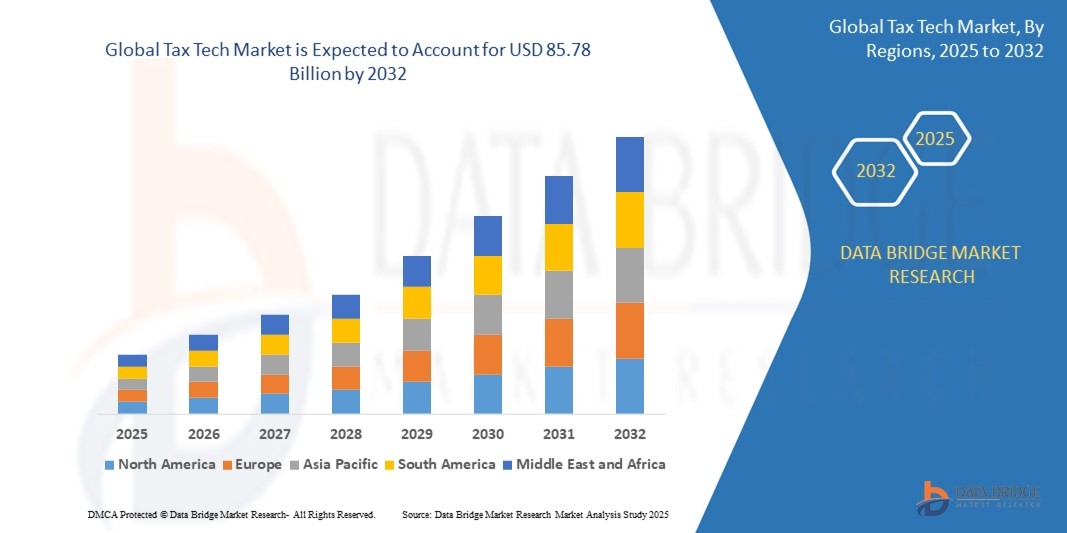
Latest Insights on Executive Summary Tax Tech Market Share and Size The global tax tech market size was valued at USD 34.4 billion in 2024 and is expected to reach USD 85.78 billion by 2032, at a CAGR of 12.10% during the forecast period. The study and analysis conducted in this industry report also helps to figure out types of consumers, their views...